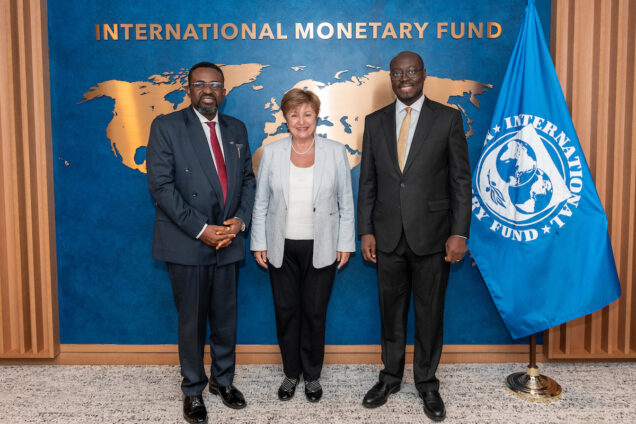
ACCRA — The International Monetary Fund (IMF) is back in town. An IMF team is expected in Accra this week for Ghana's first review under the new Policy Coordination Instrument (PCI), the arrangement that replaced the country's US$3 billion bailout programme.
The visit comes at a key moment. The government is putting together the 2027 Budget, and the IMF team is expected to look closely at whether its plans match the commitments Ghana made under the PCI.
Long-standing energy-sector debts and their impact on public finances are also expected to be high on the agenda.
What the IMF team will look at
According to reports, the mission's discussions are expected to cover:
- The 2027 Budget: whether the government's spending and revenue plans fit its commitments under the PCI
- Fiscal performance to September 2026: how much revenue the government has collected, and what it is doing to raise more
- Energy-sector debts: the legacy arrears in the power sector and what they mean for public finances
- The Bank of Ghana: its recapitalisation, along with the supervision and regulation of banks and the wider financial sector
What is the PCI?
Many Ghanaians remember the US$3 billion Extended Credit Facility (ECF), the bailout Ghana signed in May 2023 after the 2022 economic crisis. In late July 2026, the IMF Executive Board approved the final review of that programme, releasing the last tranche of money and formally ending the bailout.
At the same time, the Board approved Ghana's request for a 36-month Policy Coordination Instrument. The key difference is simple:
- The ECF was a loan. The IMF lent Ghana money in exchange for reforms.
- The PCI involves no money. It is a non-financing arrangement for countries that no longer face balance-of-payments problems. The IMF monitors Ghana's policies and reviews progress, which signals to investors and lenders that Ghana is sticking to sound policies.
Finance Minister Dr Cassiel Ato Forson has said the PCI will anchor the next phase of reforms, strengthen the economy's resilience and support broad-based growth.
The targets Ghana has signed up to
Under the new framework, the IMF wants Ghana to:
- reduce public debt to 45% of GDP by 2034
- recapitalise the Bank of Ghana by 2032
- protect the central bank's independence
There is some good news for the 2027 Budget. In August, the IMF backed Ghana's plan to ease the pace of fiscal tightening from 2027. Ghana's 2026 budget targets a primary surplus of 1.5% of GDP. Lowering that target from next year would give the government more room to spend on priorities such as education, health, infrastructure, agriculture and energy, while still keeping debt reduction on track.
Why energy debts matter
The energy sector has been one of the biggest drains on Ghana's public finances for years. Debts that build up in the power sector often end up being covered by government, money that could otherwise fund schools, roads and hospitals. How the government plans to settle these legacy debts, and stop new ones from piling up, is likely to be one of the toughest parts of the talks.
What it means for you
This IMF visit will not bring any new money into Ghana. But it still matters for ordinary Ghanaians:
- A positive review strengthens confidence in the economy, which supports Ghana's credit ratings, the cedi and the flow of investment.
- The 2027 Budget will decide how much the government can spend on jobs, roads, schools and hospitals, especially now that the IMF has backed a gentler pace of fiscal tightening.
- The handling of energy debts will shape public spending and the long-term health of the power sector that keeps the lights on.
The visit also comes as Finance Minister Ato Forson promotes his New Economy agenda, which aims to turn the recovery into jobs and higher incomes. The IMF review and the 2027 Budget will show how much room the government has to deliver on that promise.

Comments (0)
No comments yet.
Only registered users can comment.
Sign in or create a free account to join the discussion.