
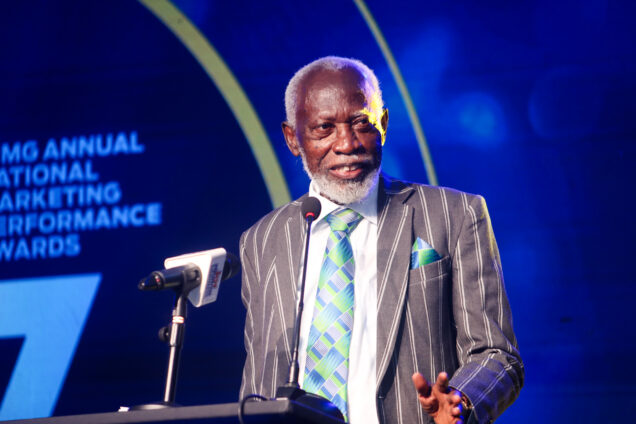
ACCRA — Ghana's economy has steadied, but steadying is not enough. That was the message from respected economist and former GIMPA Rector Professor Stephen Adei, who says the country has reached a turning point and must now use its hard-won stability to transform the economy.
Speaking at the 37th CIMG Annual National Marketing Performance Awards at the Labadi Beach Hotel in Accra on Saturday, October 17, 2026, Prof Adei said Ghana had made some progress in stabilising its economy over the past two years.
But he warned against slipping back into the cycle of crisis and recovery that has marked Ghana's economic history. The country, he said, "cannot destabilise and stabilise" again, and must move on to lasting transformation.
The signs of stability
Prof Adei pointed to several indicators that the economy has turned a corner:
- economic growth has returned
- inflation is falling
- foreign reserves have improved considerably
- Ghana's credit ratings from Moody's and S&P have edged up
- domestic and foreign investment is recovering
Those gains are backed by recent assessments. The IMF has raised its 2026 growth forecast for Ghana to 5.7%, and Moody's recently upgraded the country's rating to B3.
Falling inflation is not falling prices
Prof Adei also drew attention to a common misunderstanding. He urged Ghanaians to understand the difference between a decline in inflation and a fall in prices.
In simple terms, falling inflation means prices are rising more slowly than before, not that they are coming down. A bag of rice that rose sharply in price during the crisis is unlikely to return to its old price. It will simply go up more slowly from here. That gap between the official numbers and what people feel at the market is one reason many Ghanaians still feel squeezed despite the improving statistics.
A call for a long-term roadmap
Prof Adei urged President John Dramani Mahama to set out a clear long-term plan for economic transformation. He said the foundations laid in the government's first two years should drive broader change, rather than be lost to a return to past economic troubles.
He also expressed hope that Ghana would enter the 2028 election year with a more stable economy than in previous election cycles, when government spending has often surged.
The 24-hour economy test
Turning to the government's flagship 24-hour economy policy, Prof Adei said it aims to create jobs and make fuller use of the economy's capacity. But he warned that power shortages, water pollution and unreliable internet could hold it back, especially in an economy increasingly shaped by artificial intelligence.
He offered a personal observation: two proposed 24-hour markets near his village did not yet show the level of activity the policy promises.
Brands, businesses and mining
Prof Adei also urged Ghanaian businesses to build brands on quality, trust and innovation, describing a trusted brand as an economic asset. He called on policymakers to treat marketing as a strategic national asset and to help small and medium-sized enterprises compete in an AI-driven economy.
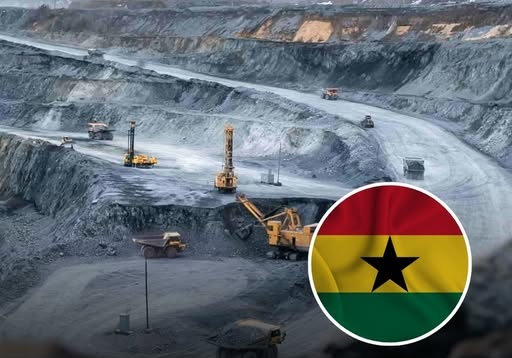
On small-scale mining, he warned that the sector must not leave behind a deadly legacy of environmental destruction.
What it means for you
Prof Adei's message goes to the heart of what many Ghanaians are asking: if the economy is better, why doesn't life feel easier yet?
His answer is that stability is only the first step. Real improvement in jobs, incomes and living standards depends on what comes next: reliable power and water, better infrastructure, stronger local businesses and a clear long-term plan that survives election cycles.
Whether Ghana seizes this moment, or slips back into another crisis before 2028, will shape the country's economy for years to come.


Comments (0)
No comments yet.
Only registered users can comment.
Sign in or create a free account to join the discussion.