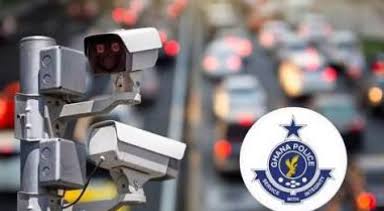
ACCRA — The next speeding ticket you get in Ghana may arrive as a text message, complete with a photo and video of your car.
The Ghana Police Service has begun enforcing TraffiTech-GH, its new automated traffic enforcement system, from Sunday, November 1, 2026. The system uses cameras and sensors to catch traffic offenders and sends them Electronic Notices of Violation (ENV) by SMS, instead of stopping them at the roadside.
In its first phase, TraffiTech-GH is targeting speeding. The police say they chose speeding first because of its major role in road crashes, and they expect the system to significantly reduce crashes, injuries and deaths on Ghana's roads.
The rollout, run by the police's Motor Traffic and Transport Department (MTTD), was originally set for October 1, but was pushed back by a month to allow more public education.
How TraffiTech-GH works
- Cameras spot the offence. The police have deployed mobile speed cameras in patrol vehicles and tripod-mounted cameras at selected locations across the country. The wider system can also use fixed cameras and laser speed-measurement devices.
- Evidence is recorded. The system captures photos and a short video of the vehicle committing the offence.
- The vehicle owner gets an SMS. The notice is sent from the sender ID GPS-MTTD to the phone number linked to the registered owner of the vehicle.
Each notice contains:
- the vehicle's details and registration number
- the owner's name
- the time and location of the offence
- photographic evidence and a six-second video
Because notices are tied to the registered owner, it matters that your vehicle registration details, especially your phone number, are up to date.
How much are the fines?
According to ACP Obeng of the MTTD, the minimum fine is GH¢240 for driving 5 to 20 kilometres per hour above the speed limit. Higher penalties apply for more serious speeding.
What if you disagree?
Motorists who believe a notice was issued in error are not stuck with it. They can choose to contest the violation by selecting a preferred MTTD regional police station and a date for a hearing, where the case will be reviewed.
More offences to come
Speeding is only the beginning. The police say TraffiTech-GH is designed to detect other offences too, such as running red lights, as the system expands. The police say they have about nine regional teams ready to support the rollout.
Drivers threaten strike on November 4
Not everyone is welcoming the new system. Commercial transport unions, including the Ghana Private Road Transport Union (GPRTU) of TUC, the Commercial Transport Operators of Ghana, the True Drivers Union and the Ghana Committed Drivers Association, have announced a withdrawal of services on Wednesday, November 4, 2026.
Their main complaint is not the cameras themselves, but traders occupying bus stops, loading bays and pedestrian walkways. Drivers say that with nowhere safe to pick up and drop off passengers, they risk being fined for stopping in the wrong places. Some union statements have accused the authorities of using the system to extort money from drivers.
Commuters should plan for possible disruption on November 4 unless talks resolve the dispute.
Meanwhile, some motorists began mapping camera locations on the navigation app Waze as soon as the system went live, and the police have warned drivers against trying to evade it.
What drivers should do now
- Respect speed limits. It's the simplest way to avoid a fine.
- Update your vehicle registration details, especially your phone number, so notices reach you.
- Don't ignore an SMS from GPS-MTTD. Check the photo and video evidence carefully.
- Contest wrong notices through the hearing process at an MTTD regional station.
- Beware of fake messages. Scammers may copy official notices. Check that a message comes from the official sender ID, and confirm with the MTTD if in doubt before paying.


Comments (0)
No comments yet.
Only registered readers can comment.
Sign in or create a free account to join the discussion.