



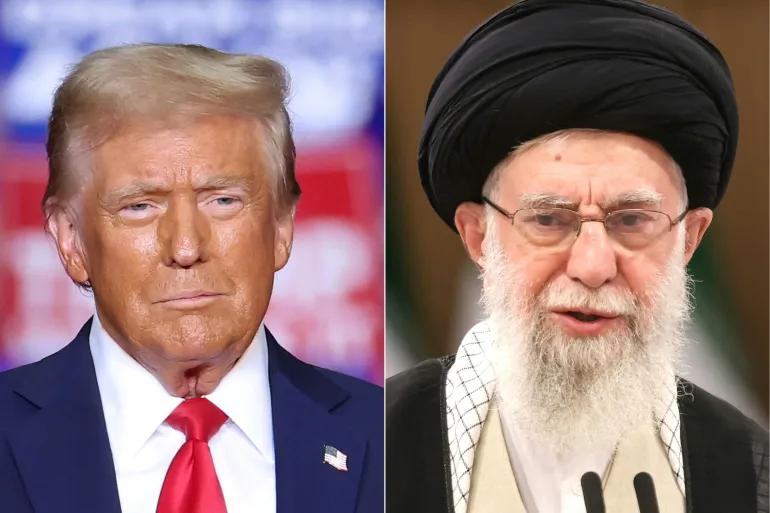
Tehran, Iran – Diplomatic engagement between Iran and the United States is quietly regaining momentum, but officials on both sides acknowledge that the opportunity to prevent renewed escalation is limited and fragile.
Iranian sources have confirmed that Oman will host the next round of indirect talks between Tehran and Washington later this week. The discussions are expected to focus on de-escalation measures and pathways toward a broader agreement, though regional countries will not yet be formally included.
According to an Iranian official familiar with the process, Tehran prefers to stabilise the bilateral negotiating framework with the United States before expanding participation. The official said introducing multiple regional actors too early could complicate discussions and shift attention away from substantive negotiations.
However, regional stakeholders involved behind the scenes view their eventual role differently. While not seeking to mediate the current phase, they see themselves as essential guarantors of any future agreement, given the direct security risks the US–Iran standoff poses to the Middle East.
Unlike the 2015 nuclear deal, which was largely transactional and technical in nature, the current crisis is driven by heightened military tensions. Regional powers are no longer distant observers but active stakeholders seeking to prevent conflict spillovers across the Gulf and wider Middle East.
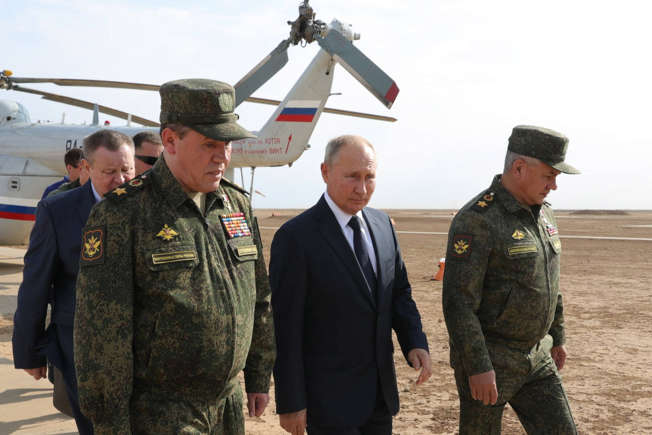
Recent diplomatic activity underscores this shift. Over the past week, senior Iranian officials have intensified consultations with key international and regional partners. Ali Larijani, head of Iran’s Supreme National Security Council, held talks in Moscow with Russian President Vladimir Putin, while Foreign Minister Abbas Araghchi engaged counterparts during meetings in Istanbul.
Building on these engagements, Qatar’s Prime Minister Sheikh Mohammed bin Abdulrahman bin Jassim Al Thani travelled to Tehran over the weekend. Following the visit, Larijani indicated that groundwork was being laid for a structured negotiating framework rather than an interim or piecemeal arrangement.
Sources familiar with the discussions suggest the emerging approach aims at a comprehensive settlement addressing security concerns on both sides. This would mark a departure from temporary confidence-building measures that have previously failed to deliver lasting stability.
In Washington, however, messaging remains deliberately ambiguous. US President Donald Trump has acknowledged ongoing communication with Iran while maintaining pressure. Speaking to Fox News, he said discussions were taking place but added that the outcome remained uncertain.
While the immediate threat of armed confrontation appears to have eased, analysts caution that fundamental disputes remain unresolved. Iran’s ballistic missile programme, regional military posture, and long-term security guarantees continue to pose significant challenges.
At the heart of the talks is a deeper question: whether both sides are willing to exchange lasting structural commitments rather than short-term political gains. The United States is signalling that risk management alone is no longer sufficient, while Iran is seeking assurances that any agreement will endure beyond a single administration.
For now, diplomacy remains active and conflict has been postponed, but only temporarily. Whether this narrow window leads to meaningful progress will depend on the willingness of both sides to move beyond process and deliver concrete outcomes.
@GhanaNews24
Comments (0)
No comments yet.
Only registered users can comment.
Sign in or create a free account to join the discussion.