

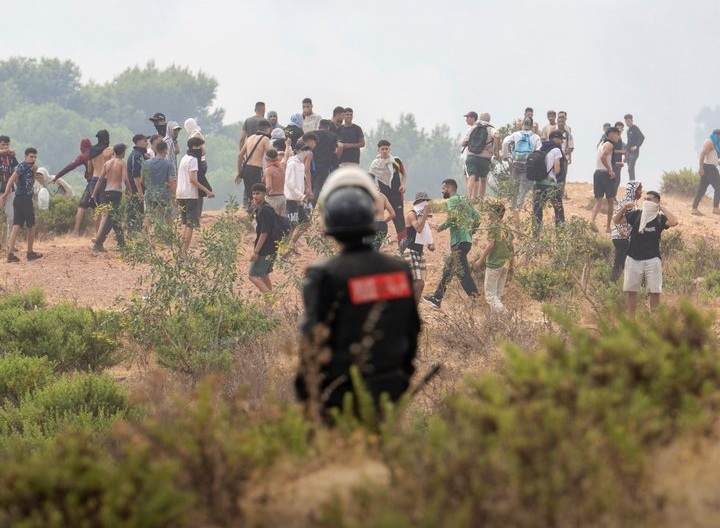

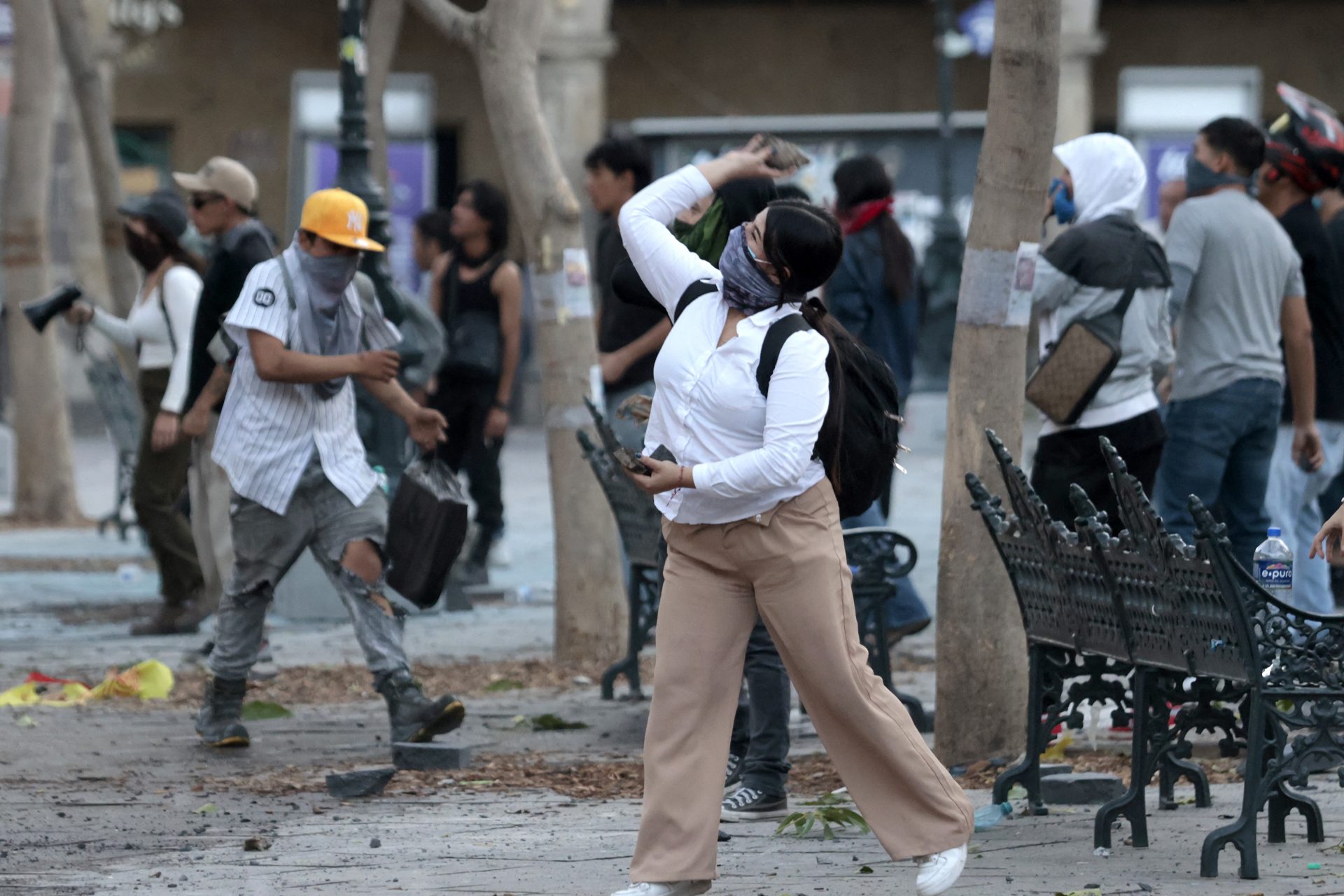
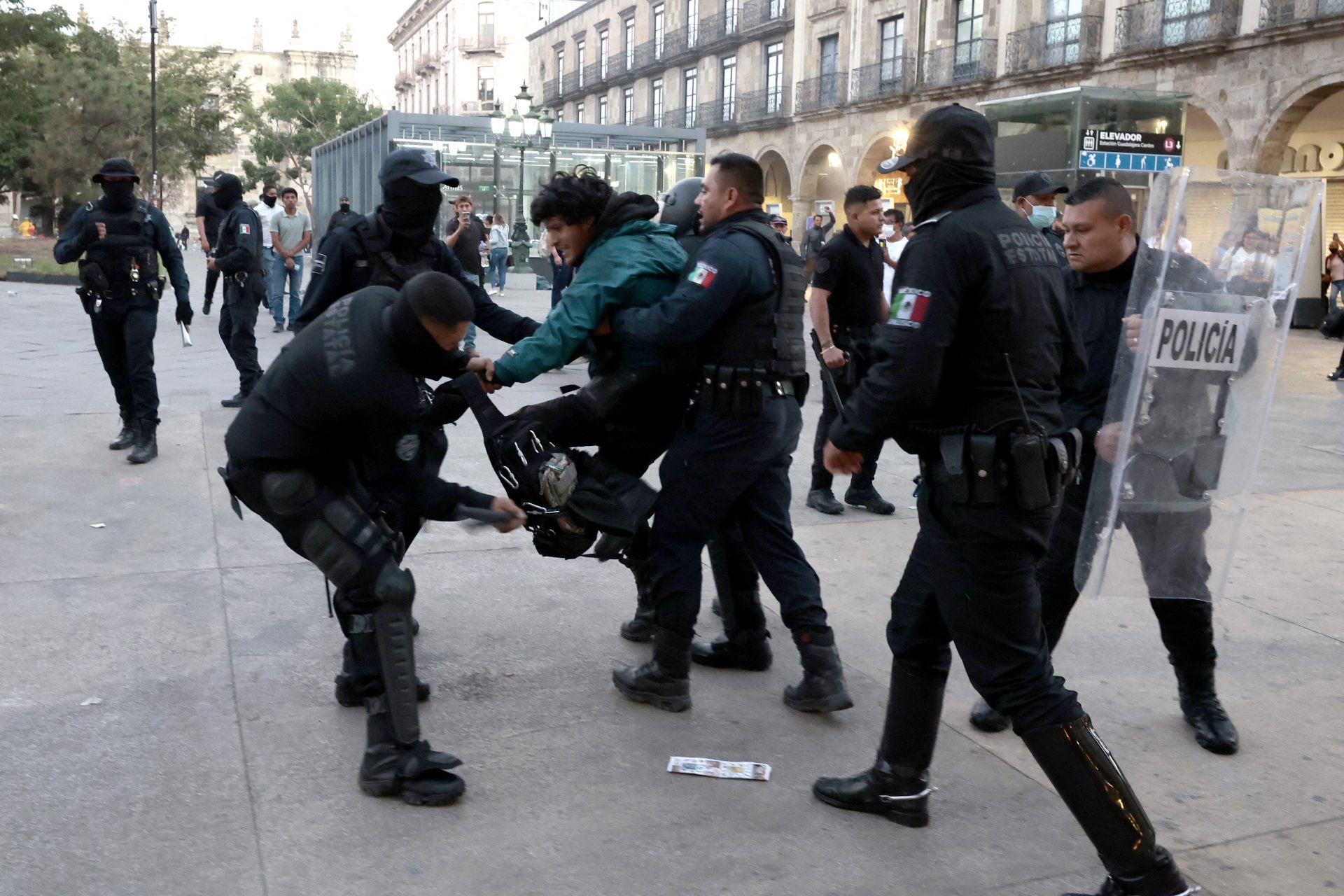
Mexico has been rocked by violent protests following nationwide demonstrations against insecurity and the government of President Claudia Sheinbaum, leaving at least 120 people injured — including more than 100 police officers — during clashes in Mexico City.
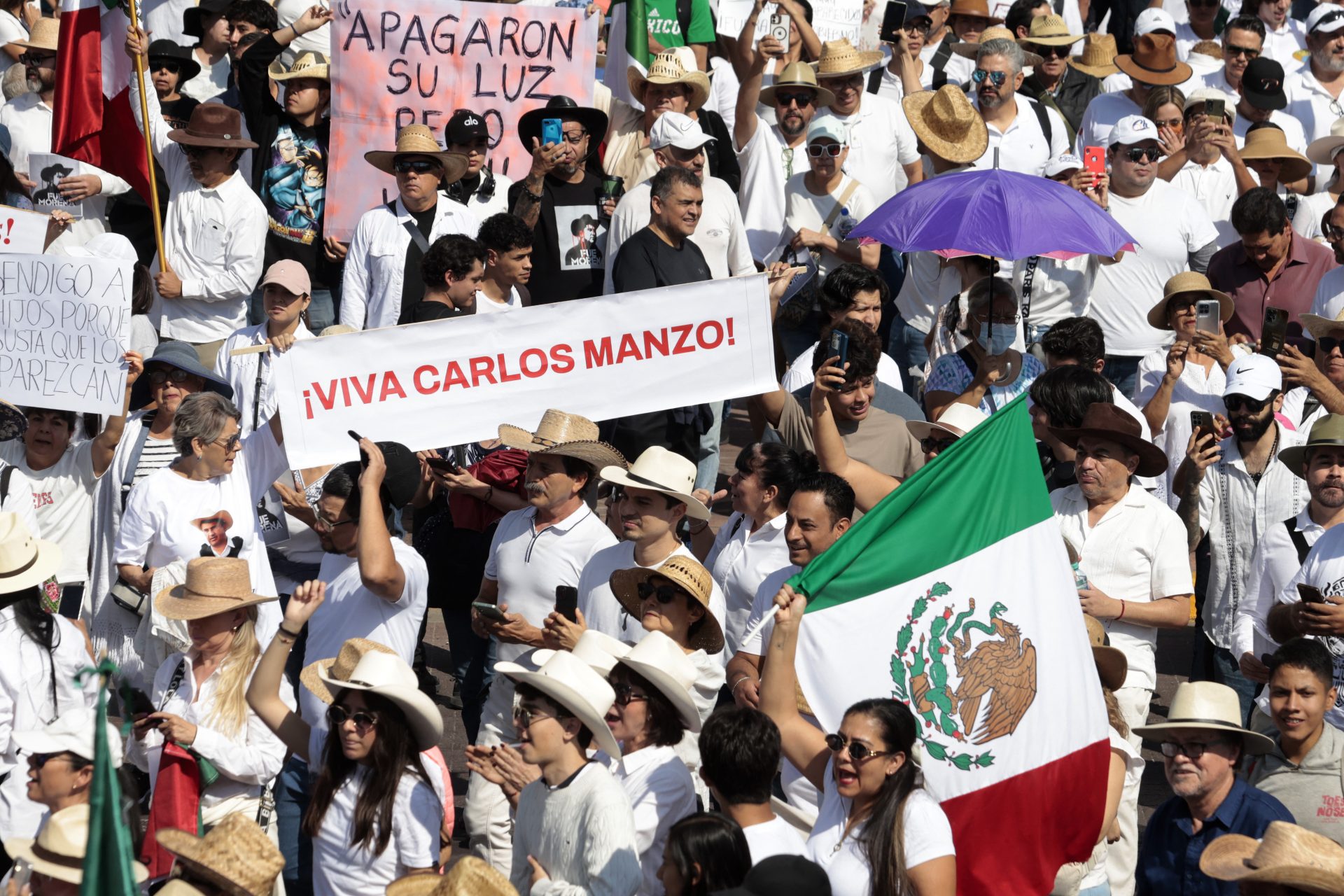
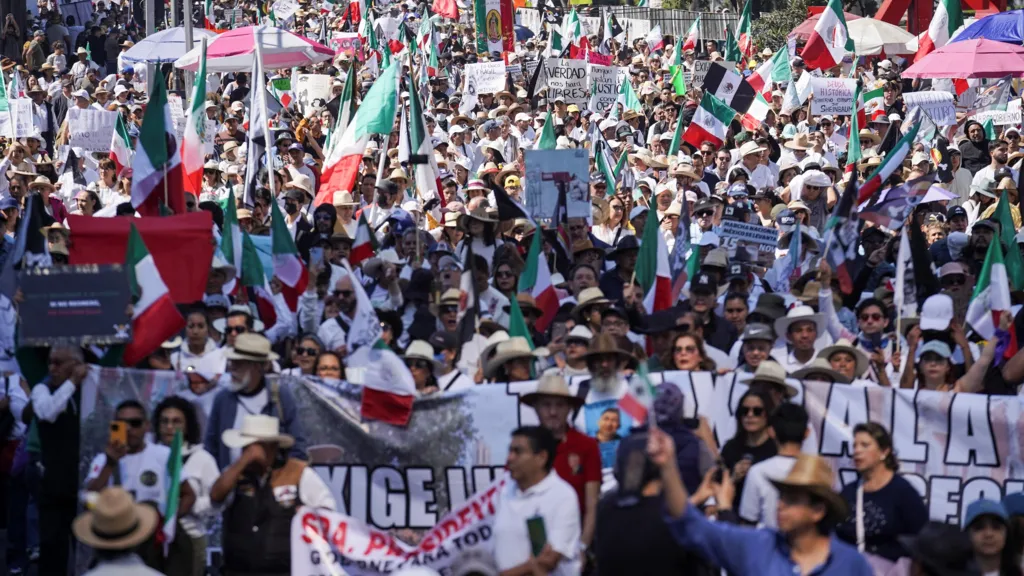
Thousands of protesters poured into the capital on Saturday, joining coordinated marches in other major cities to demand stronger action against violent crime and organised cartel activity. The demonstrations were largely driven by Gen Z youth groups and citizens angered by a series of high-profile killings, including the recent assassination of Uruapan Mayor Carlos Manzo.
Manzo, who was killed on November 1 while attending a Day of the Dead festival, was widely known for openly challenging drug cartels and calling for tougher action against organised crime. Protesters carried banners reading “We are all Carlos Manzo” and wore cowboy hats in tribute to him, turning the march into both a protest and a memorial.
Tensions escalated when demonstrators dismantled parts of a security barrier protecting the National Palace, the official residence of President Sheinbaum. Police deployed tear gas to disperse the crowds. Authorities later confirmed that at least 20 people were arrested on charges including robbery and assault.
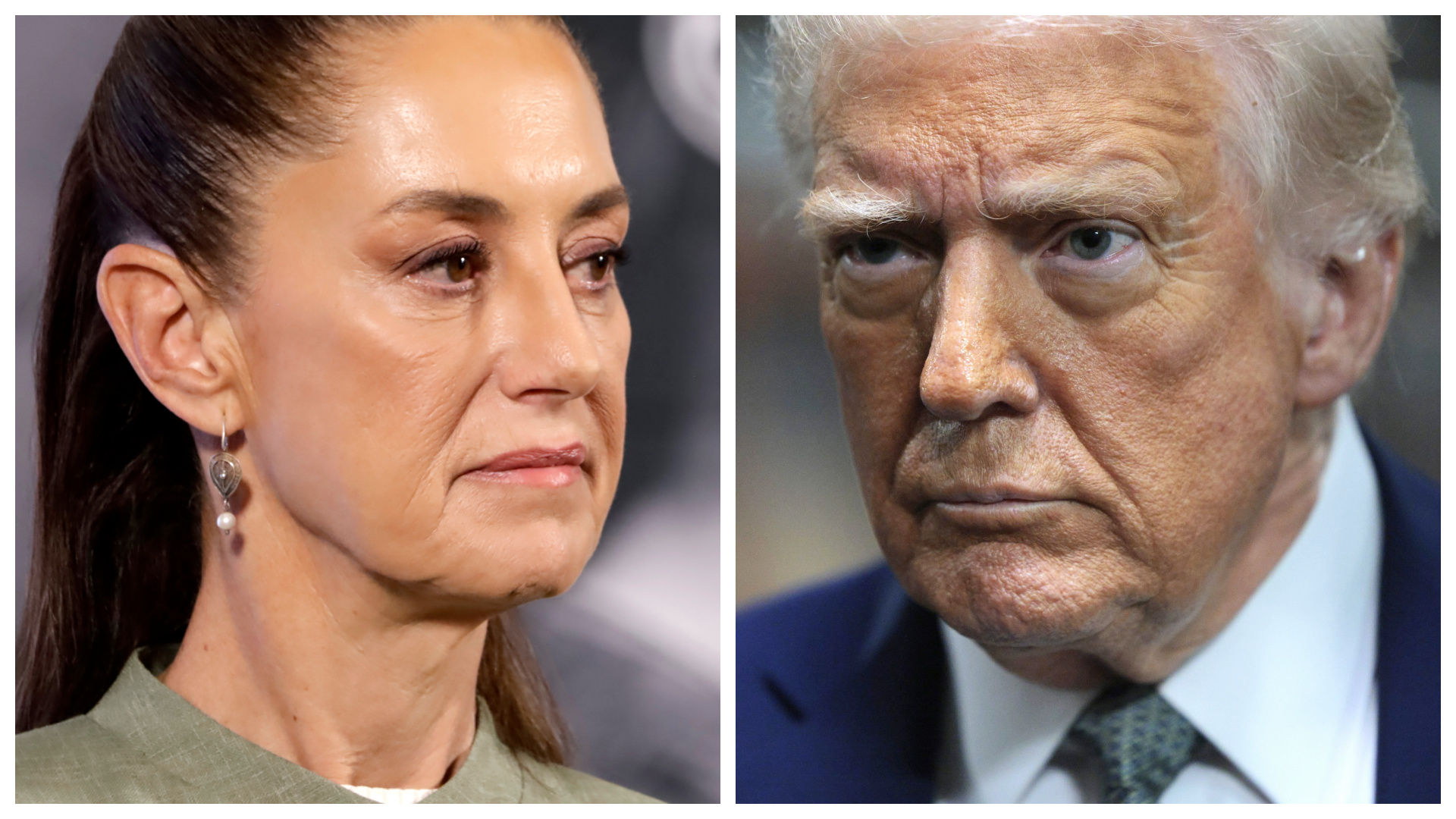
President Sheinbaum has accused right-wing political groups of financing and manipulating the protests to destabilise her government. She also claimed that online bots were used to promote the demonstrations.
“We support freedom of expression and peaceful protest,” Sheinbaum said in a briefing. “But people must understand who is organising and promoting these actions, so no one is being used for political purposes.”
Despite the unrest, Sheinbaum maintains approval ratings above 70 percent in her first year in office. Her administration has made progress in tackling fentanyl trafficking — a major concern for the United States — but critics argue she has failed to curb the wider wave of violence affecting the country.
The protests come amid growing diplomatic pressure. Earlier this month, Peru’s Congress declared Sheinbaum persona non grata, following Mexico’s decision to grant asylum to a former Peruvian prime minister accused of involvement in a 2022 coup attempt. Peru subsequently severed diplomatic ties with Mexico.
While Sheinbaum continues to act against cartel networks, she has resisted calls for a renewed full-scale “war on drugs,” citing the devastating human cost of previous military-led campaigns. However, the growing public anger reflected in the protests shows increasing pressure on her government to deliver stronger security reforms.
As violence, political tensions, and public frustration converge, Mexico faces a critical test of leadership, stability, and trust in governance — with the streets becoming a powerful expression of public discontent.
Comments (0)
No comments yet.
Only registered users can comment.
Sign in or create a free account to join the discussion.