
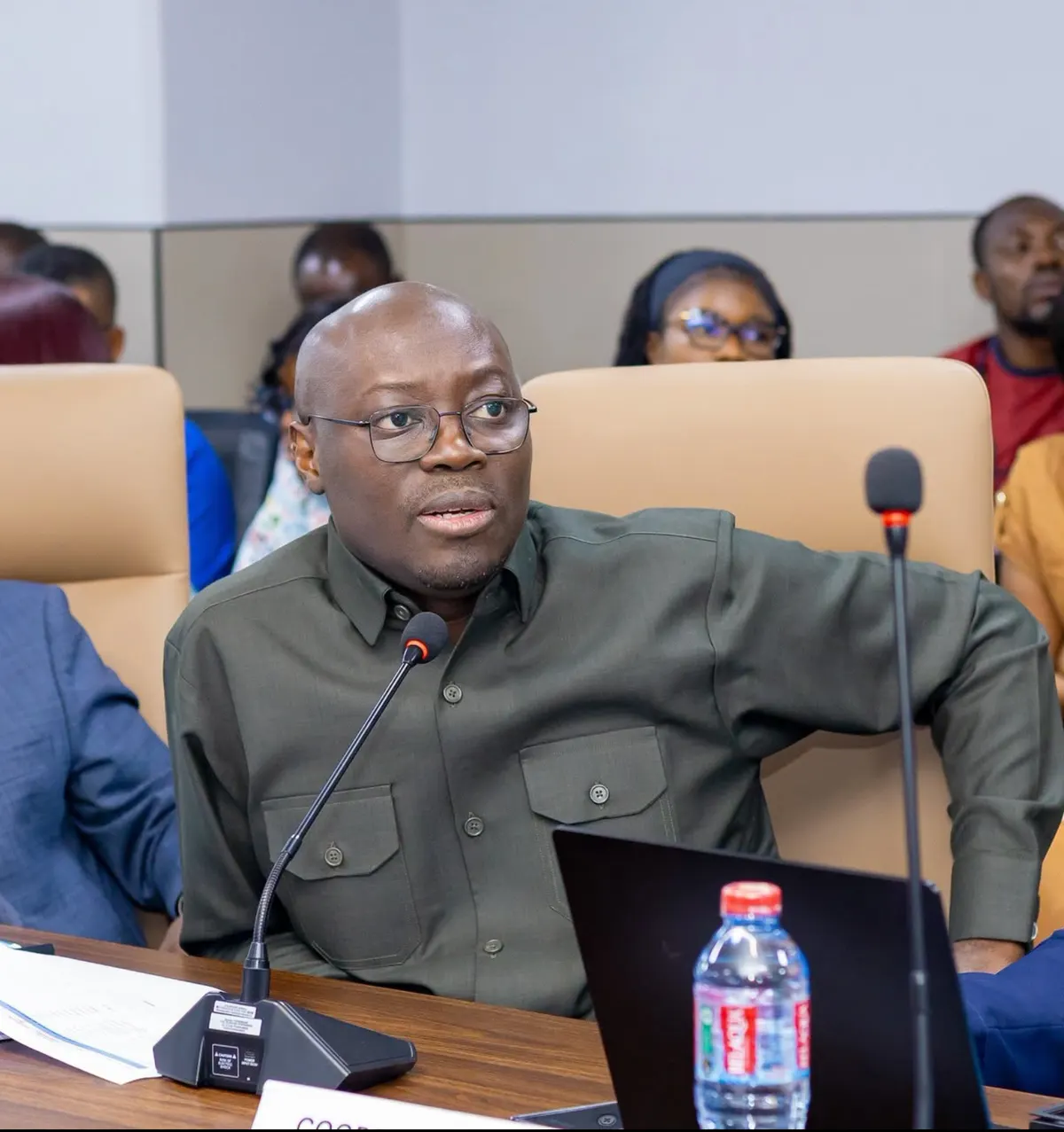
LEGON, ACCRA — Ghana has steadied its economy. Now the government says the real work begins.
Finance Minister Dr Cassiel Ato Forson has declared that economic recovery alone will not satisfy Ghanaians, and that the hard-won stability of the past two years must now be turned into decent jobs, higher incomes and a stronger productive economy.
Speaking at an engagement with faculty and students at the University of Ghana, the minister described stabilisation as only the first step. "Stabilisation was never the destination. It was the price of entry," he said.
He acknowledged the progress made so far: inflation has fallen, confidence is returning and debt pressures are being managed. "But recovery is not enough," he told the audience.
What is the "New Economy"?
The New Economy is the government's plan for the next phase after stabilisation. According to Dr Forson, stability must now become production, exports, investment, jobs and higher incomes. He said its central purpose is to make sure the sacrifices Ghanaians made during the crisis turn into real benefits in their lives.
From his recent speeches, the vision rests on a few key ideas:
- Make more of what Ghana consumes. Strengthen local production so the country relies less on imports.
- Stop exporting raw materials. Add value to Ghana's cocoa, other farm produce and minerals at home, instead of shipping them out unprocessed.
- Invest in industry. Channel investment into manufacturing, agro-processing and export-oriented businesses.
- Let public investment support private business. Use government spending to open opportunities for companies to invest, expand and hire more Ghanaians.
- Put jobs first. Create decent work, especially for young people.
"Grown, but not transformed"
The minister has been building this case for weeks. Speaking at the University for Development Studies (UDS) in Nyankpala earlier this month, he admitted that past growth had not changed enough for ordinary people.
"We have grown, but not transformed enough," he said. He pointed to the gap between the education young Ghanaians receive and the jobs available to them, saying the economy had trained young people but had not created enough decent work to absorb their talent.
The recovery numbers
The minister's confidence rests on a string of improving indicators:
- The IMF has raised its 2026 growth forecast for Ghana to 5.7%, and Dr Forson has said Ghana will beat that figure.
- Moody's has upgraded Ghana's credit rating to B3 with a stable outlook.
- Inflation has come down sharply, and foreign reserves have improved.
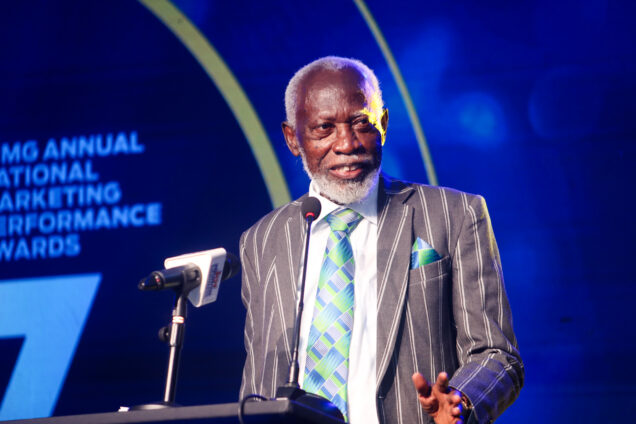
His message echoes remarks made days earlier by economist Prof Stephen Adei, who warned that Ghana must turn stability into transformation and urged the government to set out a long-term roadmap.
The opposition's challenge
Not everyone is convinced. On the same day, former Vice President and NPP leader Dr Mahamudu Bawumia argued that Ghana now has two economies: a "paper economy" of improving statistics and a "pocket economy" where many families still struggle.
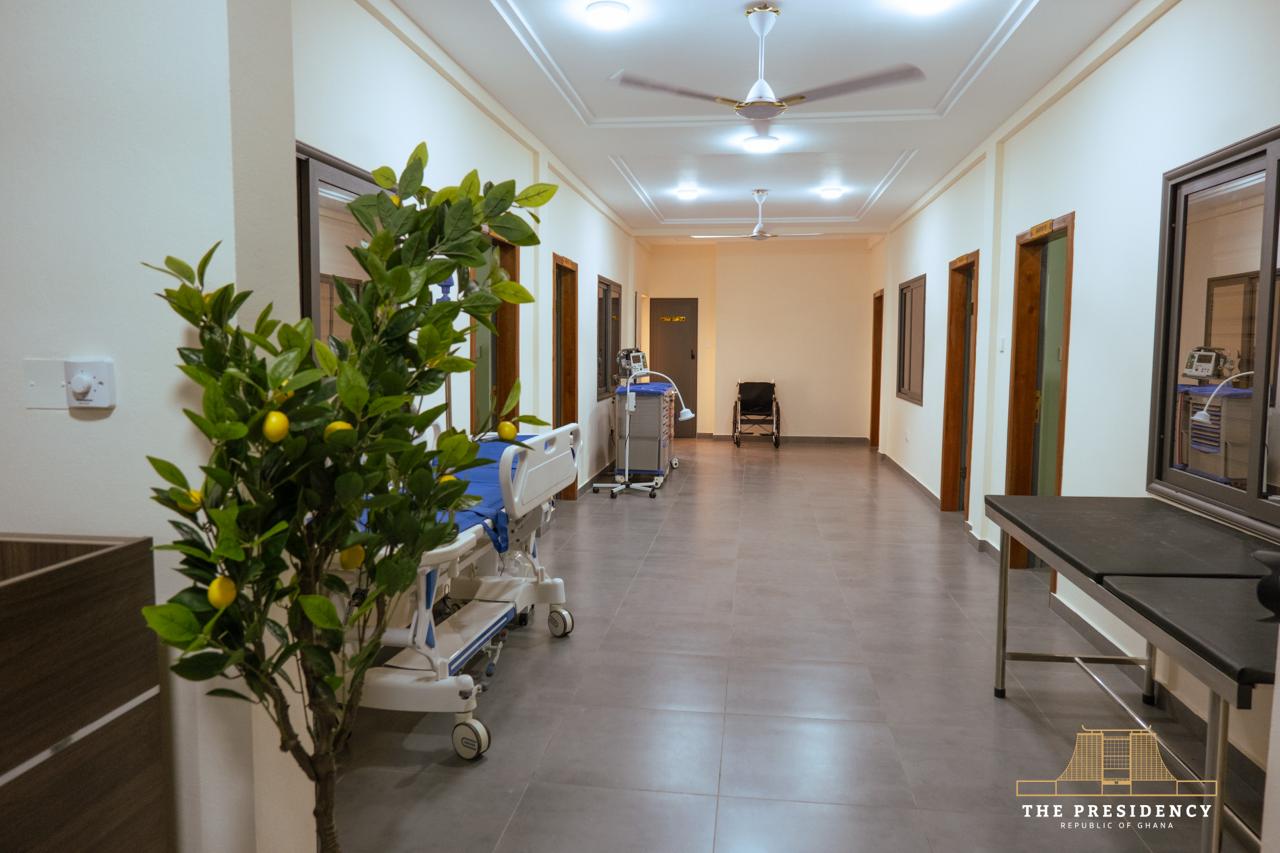
He said stability means little unless Ghanaians feel the difference in their pockets, and questioned when the promised jobs, the 24-hour economy and the completion of the Agenda 111 hospitals would materialise.
The exchange sets up the central economic debate on the road to the 2028 elections: whether recovery on paper will become better lives on the ground.
What it means for you
For ordinary Ghanaians, the New Economy will be judged on simple questions. Are there more jobs for graduates? Are local factories hiring? Are incomes rising faster than prices?
The vision sounds promising, but the details matter. The minister has not yet set out specific targets for job creation, local production or exports.
What to watch
The clearest test will come with the 2027 Budget, expected later this year. Ghanaians will be looking for:
- concrete job creation targets, especially for young people
- funding and incentives for manufacturing and agro-processing
- plans to add value to cocoa, gold and other raw materials at home
- support for small and medium-sized businesses

Comments (0)
No comments yet.
Only registered readers can comment.
Sign in or create a free account to join the discussion.