
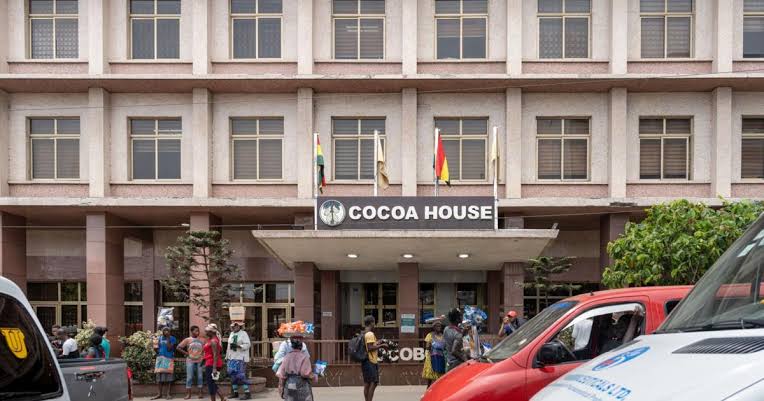
ACCRA — For decades, Ghana paid for its cocoa with money borrowed from international banks. This season, it turned to Ghanaian investors instead, and the first test has come in a little short.
The Ghana Cocoa Board (COCOBOD) has raised about GH¢3.4 billion from its first-ever cocoa notes offer, around 15% short of the indicative GH¢4 billion it presented to investors. The shortfall is roughly GH¢600 million.
The money was raised through Cocoa Capital PLC, a company wholly owned by COCOBOD, set up to borrow on Ghana's domestic market. The notes were issued on October 5, 2026, at a yield of 11%, and will mature on June 28, 2027. They have since been listed on the Ghana Fixed Income Market (GFIM).
What are cocoa notes?
Cocoa notes are short-term IOUs. Investors such as banks, pension funds and insurance companies lend COCOBOD money today, and COCOBOD promises to pay them back with interest on a fixed date. COCOBOD uses the money to buy cocoa from farmers during the season, then repays investors from the proceeds of selling that cocoa abroad.
For most of the past three decades, COCOBOD raised this money through a syndicated loan, a large loan from a group of international banks arranged each season. That long-standing arrangement has now broken down, pushing COCOBOD to look for funding at home.
The offer in numbers
- Amount raised: GH¢3.396 billion
- Indicative target: GH¢4 billion
- Bids received: about GH¢3.586 billion from 38 institutional investors
- Bids accepted: 36, at a clearing yield of 11%
- Term: 266 days, maturing June 28, 2027
In other words, investors did not offer the full GH¢4 billion. Even if COCOBOD had accepted every bid, it would still have come up short of its target.
A GH¢16.3 billion plan
This was only the first step in a much larger GH¢16.3 billion Domestic Cocoa Notes Programme:
- GH¢14 billion in short-term commercial paper to buy cocoa during the 2026/27 season, raised in three tranches of about GH¢4 billion, GH¢4 billion and GH¢6 billion
- GH¢2.3 billion in longer-term bonds to refinance COCOBOD's existing debts
Cocoa Capital PLC, the company behind the programme, was incorporated on August 7, 2026, with an initial paid-up capital of GH¢5 million. COCOBOD has indicated it could return to the market shortly for the next tranche.
What it means for cocoa farmers
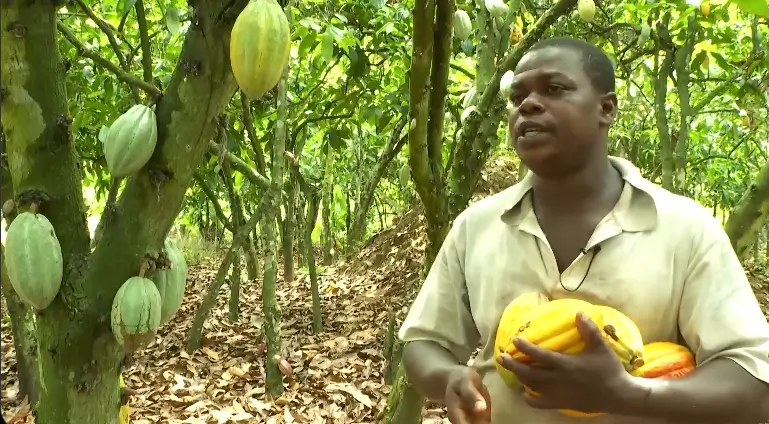
For farmers, the key question is simple: will there be enough cash to pay for their beans on time?
The pressure is already visible. In September, the Chamber of Cocoa Marketers said COCOBOD owed licensed buying companies (LBCs) about GH¢4 billion for cocoa bought in the previous season, according to Reuters. That debt alone is larger than the amount just raised.
It is also not yet clear exactly how the first GH¢3.4 billion will be spent, whether mainly on new purchases this season or on clearing what is already owed.
The 2026/27 season opened on September 25 with a producer price of GH¢42,400 per tonne, or GH¢2,650 per 64-kilogramme bag. COCOBOD says that equals 71.18% of the realised gross free-on-board value, above the 70% minimum set by the new Ghana Cocoa Board Act, 2026 (Act 1182). A good price only helps farmers, however, if buyers have the cash to pay it promptly.
A test of the new model
Supporters say borrowing at home keeps more of the financing in Ghana, deepens the local capital market and reduces reliance on foreign banks. Critics worry about the cost: an 11% yield is not cheap, and the programme depends on COCOBOD's ability to attract investors tranche after tranche and repay on time.
The first offer shows there is real appetite among Ghanaian investors, but not quite enough to meet COCOBOD's ambitions in one go.
What to watch
- the size and timing of the second tranche, targeted at about GH¢4 billion
- whether COCOBOD finds a way to cover the GH¢600 million gap
- how quickly funds reach LBCs and farmers
- the planned GH¢2.3 billion bond to refinance legacy debt
GhanaNews24.com will continue to follow the cocoa financing story.

Comments (0)
No comments yet.
Only registered users can comment.
Sign in or create a free account to join the discussion.