
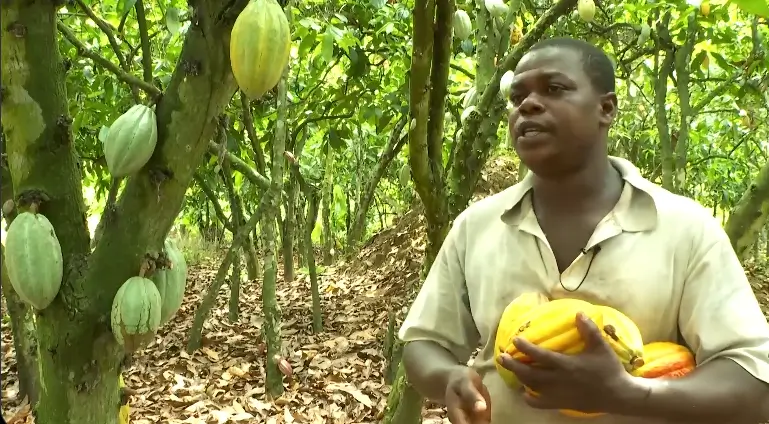
Cocoa farmers in West Africa’s two largest producing nations, Ghana and Ivory Coast, are facing mounting financial pressure after global cocoa prices dropped sharply from last year’s historic highs.
International cocoa prices have reportedly fallen by more than 60 percent from their 2025 peak, trading at around $3,600 per metric ton as of February 16. The dramatic decline has left many farmers struggling to sell their harvests and cope with reduced incomes.
Ivory Coast grapples with unsold stock
In Ivory Coast, exporters are said to be offering prices significantly below the official farmgate rate set by authorities. The situation has led to tensions within the sector, prompting the country’s cocoa regulator to step in and purchase approximately 100,000 metric tons of unsold stock to stabilize the market.
Industry analysts say the move is aimed at protecting farmers from further income losses and preventing a glut from driving prices even lower.
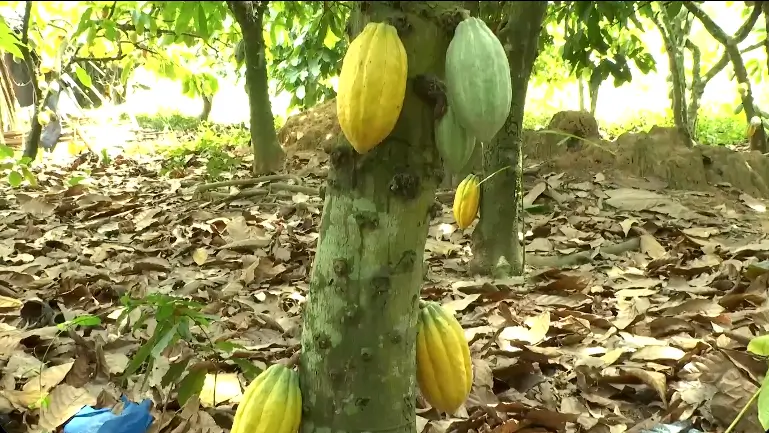
Ghana cuts producer price
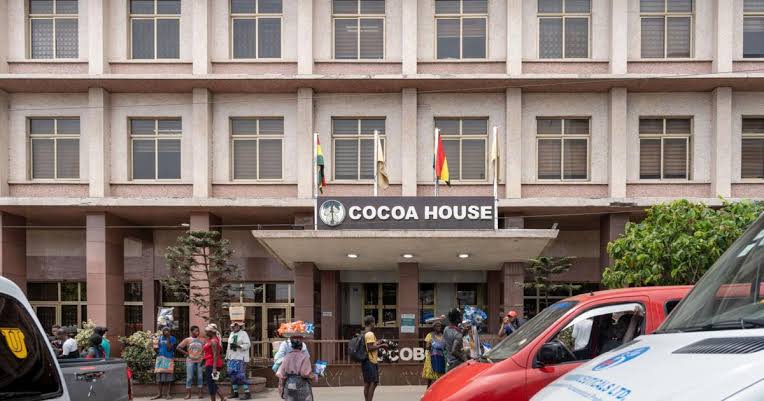
In Ghana, the Ghana Cocoa Board (COCOBOD) recently announced a 28 percent reduction in the producer price paid to farmers. The decision follows reports of payment delays affecting nearly 300,000 metric tons of cocoa.
The price cut has sparked concern among farmers and industry stakeholders, who warn that reduced earnings could discourage production and worsen rural economic hardship.
From shortage to surplus
The current downturn marks a sharp reversal from the 2024–2025 season, when drought and crop diseases significantly reduced output in both countries, pushing global prices to record highs.
However, improved weather conditions and increased supply, combined with weaker global chocolate demand, have contributed to the recent plunge in prices.
Political and economic implications
The income squeeze has triggered political debate in both countries, with calls for stronger government intervention and better safety nets for farmers.
Cocoa remains a critical export commodity for both Ghana and Ivory Coast, supporting millions of livelihoods and contributing significantly to national revenues. Analysts warn that prolonged price volatility could have wider economic consequences if urgent measures are not taken to cushion farmers.
Watch the video below
Ivorian farmers are being forced to store unsold cocoa beans in their homes and accept low prices for their harvest as demand slumps and prices fall https://t.co/8A4XVUkDP6 pic.twitter.com/gEKGNiFB3o
— Reuters (@Reuters) February 16, 2026


Comments (0)
No comments yet.
Only registered users can comment.
Sign in or create a free account to join the discussion.