
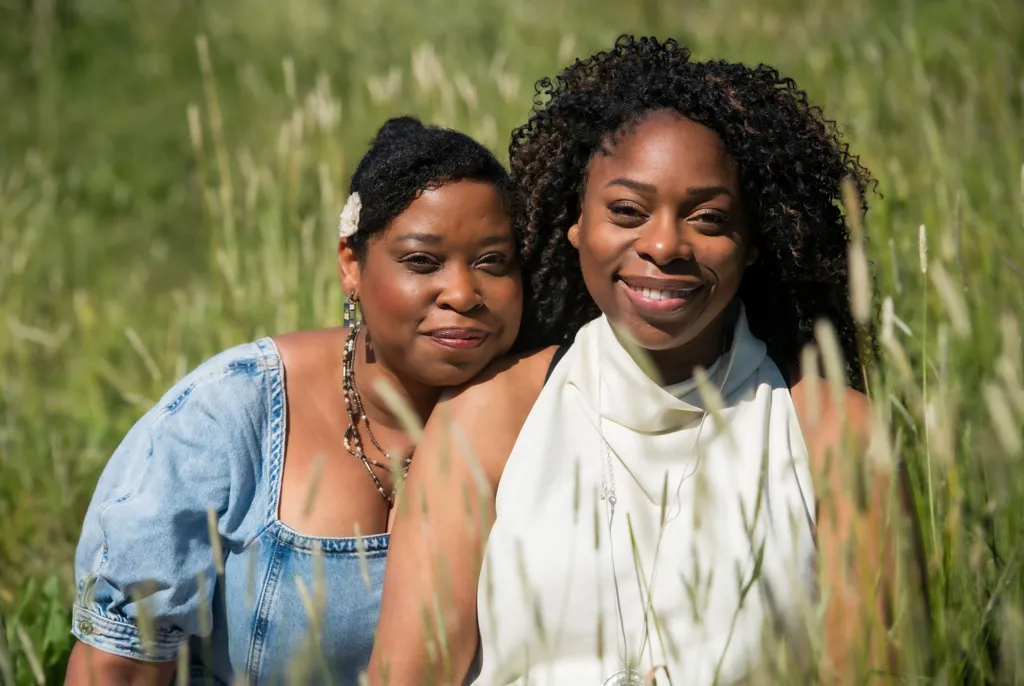


A rare genetic phenomenon has come to light after twin sisters, Lavinia Osbourne and Michelle Osbourne, discovered through DNA testing that they do not share the same father — despite being born minutes apart.
The case has drawn global attention, not only for its scientific rarity but also for the emotional journey behind the discovery.
The Science Behind the Mystery
The twins’ story is explained by a rare biological process known as Heteropaternal Superfecundation.
This occurs when:
-
Each egg is fertilised by sperm from different men
-
Both embryos develop simultaneously
Fewer than 20 confirmed cases worldwide have been documented, making this an extremely unusual occurrence.
DNA Tests Reveal a Hidden Truth
The discovery began when Michelle took a DNA test, which revealed that the man she believed to be her father was not biologically related to her.
Further investigation led her to identify her biological father, Alex.
Lavinia, initially uncertain, later took her own DNA test — which revealed an even more surprising truth: she had a completely different father.
Emotional Impact of the Discovery
For Lavinia, the revelation was deeply distressing.
Having grown up in a challenging environment, she had always relied on her twin as her only constant source of belonging.
Learning that they were half-sisters, not full twins, shook that sense of certainty.
Michelle, however, said the results confirmed suspicions she had long held, describing the situation as rare but logical.
Reconnecting With Their Fathers
Lavinia later met her biological father, Arthur, and has since built a close relationship with him.
She says the connection gave her a new sense of belonging and identity.
Michelle also located her biological father, Alex, but described the encounter differently, saying she did not feel a lasting connection despite recognising the biological link.
A Difficult Childhood
The twins were born to a young mother who faced significant hardship and instability.
They spent much of their early years moving between homes and caregivers, relying heavily on each other for emotional support.
Their shared experiences strengthened their bond — a bond that remains intact despite the discovery.
Why This Story Matters
This case highlights:
-
The growing impact of DNA testing on personal identity
-
The complexity of human reproduction
-
The emotional consequences of uncovering hidden family histories
Experts say more such cases may emerge as genetic testing becomes increasingly accessible worldwide.
A Bond Beyond Biology
Despite the shock, both sisters say their relationship remains unchanged.
They continue to see each other frequently and maintain a close connection, even as they navigate their new understanding of family.
Their story serves as a reminder that identity is shaped not only by genetics, but also by shared life experiences.
Quick Answers (AEO Optimized)
Can twins have different fathers?
Yes — in rare cases through heteropaternal superfecundation.
How rare is it?
Fewer than 20 confirmed cases worldwide.
Are they still twins?
Yes — they are non-identical twins but biologically half-sisters.
What caused it?
Two eggs fertilised by sperm from different men during the same cycle.