
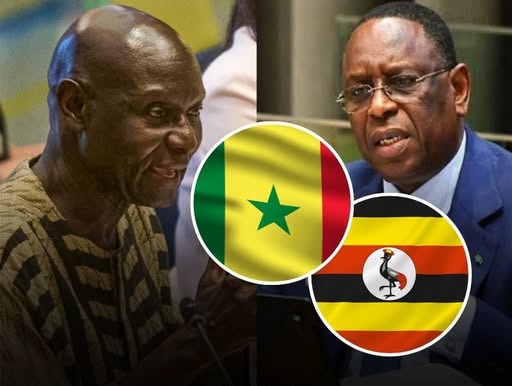
NEW YORK — Africa's hopes of producing the next United Nations Secretary-General have dimmed sharply. Former Senegalese President Macky Sall has pulled out of the race to succeed António Guterres, leaving Uganda's Olara Otunnu as the continent's only remaining candidate.
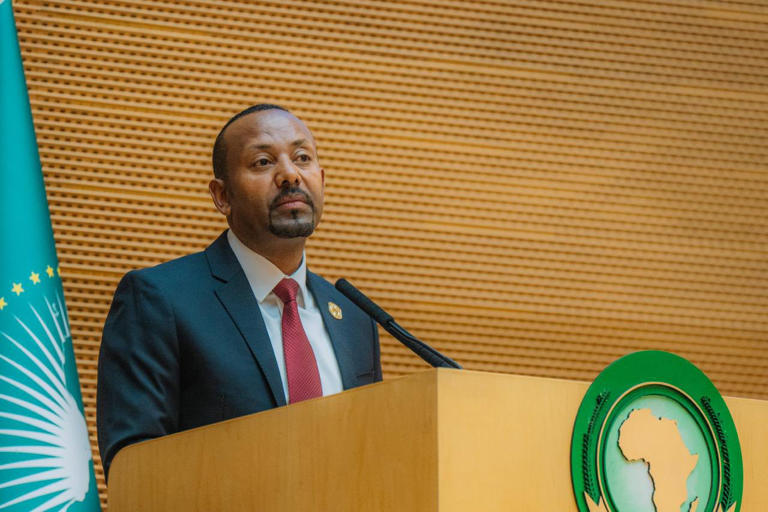
Sall announced his withdrawal on Saturday, October 17, 2026, a day after the UN Security Council held its latest informal straw poll. In a statement on social media, he said he took the decision out of a sense of responsibility, hoping to help the Council reach consensus on a candidate. He added that he had consulted other African leaders before stepping aside.
Guterres's second and final five-year term ends on December 31, 2026, and his successor will take office in January 2027.
Why Sall stepped aside
Sall's campaign had struggled for months. In the first straw poll in July, he received just six "encourage" votes, seven "discourage" votes and two abstentions among the Council's 15 members, and leaked tallies suggest he lost further ground after that.
His bid was also troubled from the start at home. Senegal's government initially declined to back him, and it was Burundi that first nominated him. Senegalese President Bassirou Diomaye Faye only threw his support behind Sall in July, after the two men met.
In his statement, Sall read the writing on the wall, saying the test votes pointed to a candidate "perhaps female" from the Latin America and Caribbean region.
Otunnu: Africa's last candidate
Olara Otunnu, a veteran Ugandan diplomat, was unveiled as Uganda's candidate in July. He is a familiar figure at the UN: as Uganda's Permanent Representative in 1981, he is credited with introducing the very straw-poll system now being used to judge candidates.
That history has not translated into support. Reports say Otunnu, like Sall, has struggled to win positive votes in the Council's informal ballots, leaving him with slim chances.
The race so far
After Sall's exit, six candidates remain:
- Rebeca Grynspan (Costa Rica), the narrow frontrunner in the latest poll
- Rafael Grossi (Argentina), head of the UN nuclear watchdog
- Carolyn Rodrigues-Birkett (Guyana), a former foreign minister
- María Fernanda Espinosa (Ecuador)
- Ivonne A-Baki (Ecuador)
- Olara Otunnu (Uganda)
No one has a clear path. In the latest poll, every candidate received at least one "discourage" vote from a permanent member of the Security Council: the United States, Russia, China, the United Kingdom or France. Even frontrunner Grynspan drew five discouraging votes, two of them from permanent members. US media reports suggest Washington opposes all of the current contenders.
That deadlock has fuelled talk of late entrants. Names floated by diplomats include Nickolay Mladenov, UAE Minister of State Lana Nusseibeh, and OSCE Secretary General Feridun Sinirlioğlu.
How the UN chief is chosen
The Secretary-General is picked in two stages:
- The Security Council holds a series of secret straw polls. Members mark each candidate as "encourage", "discourage" or "no opinion". A "discourage" vote from any of the five permanent members can act as an effective veto.
- Once the Council agrees on a name, it recommends that candidate to the General Assembly, which formally appoints the new Secretary-General.
By informal tradition, the job rotates among the world's regions. Many member states believe it is now Latin America and the Caribbean's turn, which helps explain why most of the field comes from that region. There has also been a strong push for the UN to choose its first woman Secretary-General.
A Ghanaian connection
For Ghanaians, the race carries special meaning. Ghana's own Kofi Annan served as UN Secretary-General from 1997 to 2006 and won the Nobel Peace Prize in 2001, and Egypt's Boutros Boutros-Ghali held the post before him. With Sall gone and Otunnu struggling, Africa looks unlikely to produce another UN chief this time.
What happens next
The Security Council is expected to hold more straw polls in the coming weeks as it searches for a candidate who can avoid a veto from any of the permanent members. With Guterres's term ending on December 31, time is running short.


Comments (0)
No comments yet.
Only registered users can comment.
Sign in or create a free account to join the discussion.