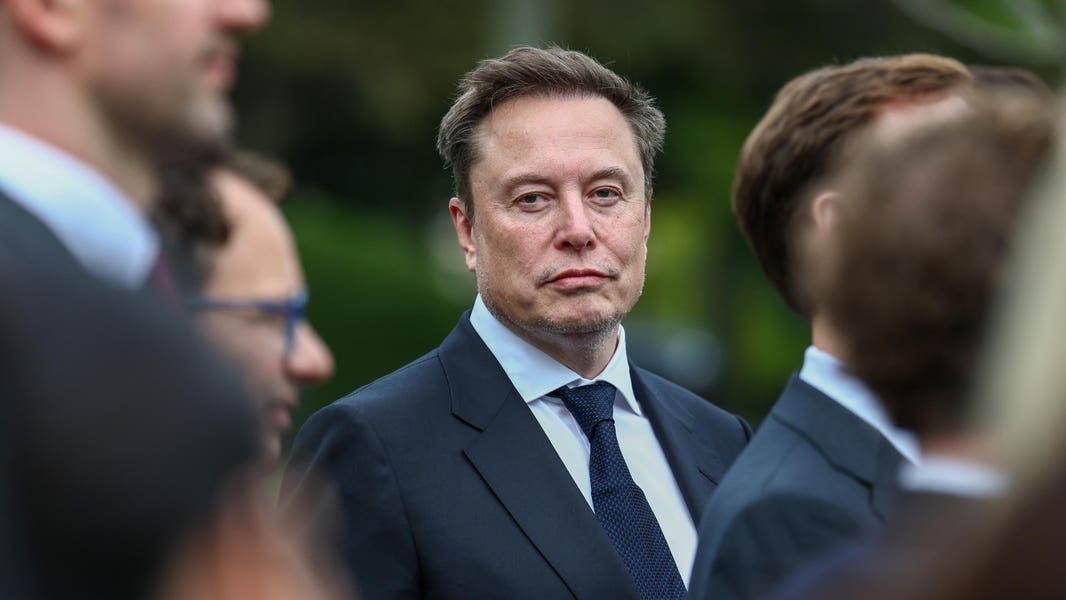
Some of America's wealthiest business figures and technology investors have reacted to the outcome of the 2026 United States midterm elections, following major victories by Democrats that have reshaped the political landscape in Washington.
Among the most notable reactions came from Tesla and SpaceX chief executive Elon Musk, who made a sarcastic remark about his political spending after Republican candidates suffered significant defeats, while LinkedIn co-founder Reid Hoffman criticised the billionaire's financial involvement in the elections.
The Democratic Party secured victories in both chambers of Congress, the House of Representatives and the Senate, marking a major setback for President Donald Trump's Republican Party.
The results also saw Democrats make significant gains in traditionally Republican strongholds, including Texas, where their candidates secured victories in key statewide contests.
Elon Musk Makes ‘Space Lasers’ Joke After Republican Defeats
Musk, who emerged as the biggest individual political donor during the 2026 election cycle, took to his social media platform X on Wednesday, November 4, to react to the election outcome.
In a post, the billionaire wrote: "Guess my election-interfering space lasers didn't work this time."
The comment appeared to be a sarcastic reference to the unsuccessful efforts by Republican candidates he had financially supported.
In another post, Musk remarked that "Data centers in space looking pretty appealing right now," a statement interpreted as a reference to possible regulatory challenges facing artificial intelligence infrastructure following Democratic victories.
Musk reportedly spent more than $400 million supporting Republican candidates and political groups during the election cycle, making him one of the most financially influential figures in American electoral politics.
His involvement was particularly significant in Texas, where Republican Senate candidate Ken Paxton lost to Democrat James Talarico.
Democrat Gina Hinojosa also defeated Republican incumbent Greg Abbott in the Texas gubernatorial race.
Reid Hoffman Criticises Musk's Political Spending
LinkedIn co-founder and billionaire Democratic donor Reid Hoffman also weighed in on the election results, celebrating the Democratic victories while criticising Musk's extensive financial support for Republican candidates.
In a series of posts on X, Hoffman described the election outcome as an "overwhelming wave against Trump and his cronies."
He also criticised Musk for spending what he described as "outrageous amounts to keep authoritarian clowns in power."
Hoffman acknowledged his own financial contributions to Democratic candidates during the election cycle, while arguing that money should be taken out of politics.
However, he maintained that he would continue supporting candidates who, in his view, believe in the rule of law and the responsibility of the American economy to deliver prosperity for citizens.
The exchange highlights the growing involvement of wealthy technology entrepreneurs and investors in American political campaigns.
Mike Bloomberg and Other Billionaires React
Former New York City Mayor and billionaire businessman Mike Bloomberg also welcomed the Democratic Party's performance.
Bloomberg, who reportedly spent more than $115 million supporting Democratic candidates in the final two months of the election campaign, expressed satisfaction with the party's victory in the House of Representatives.
He also congratulated Democratic leader Hakeem Jeffries, who is expected to become the next Speaker of the House.
Meanwhile, billionaire Vivek Ramaswamy, who contested the Ohio gubernatorial election as a Republican, lost to Democratic candidate Amy Acton.
Following the defeat, Ramaswamy expressed concerns about the country's political direction.
Another wealthy Republican candidate, healthcare entrepreneur Rick Jackson, also conceded defeat in Georgia after spending more than $200 million of his personal wealth on his campaign.
Election Results Raise Questions About Billionaire Influence
The 2026 midterm elections have renewed discussions about the influence of wealthy individuals in American politics, particularly the role of campaign financing in determining electoral outcomes.
Musk's substantial financial contributions to Republican candidates had made him a central figure in the election cycle. However, the defeats experienced by several candidates he supported have brought renewed attention to the limits of political spending.
The results could also have implications for technology companies, particularly those involved in artificial intelligence and large-scale data centre development.
With Democrats gaining control of Congress, technology policy, infrastructure development and regulatory oversight could become important areas of political debate.
For now, the reactions from Musk, Hoffman, Bloomberg and other influential business figures demonstrate how closely America's technology and billionaire communities are connected to the country's political developments.


Comments (0)
No comments yet.
Only registered readers can comment.
Sign in or create a free account to join the discussion.