
MOSCOW — Africa's leaders are heading to Moscow this week for the third Russia-Africa Summit, with 48 African countries confirming they will take part, according to the Kremlin.
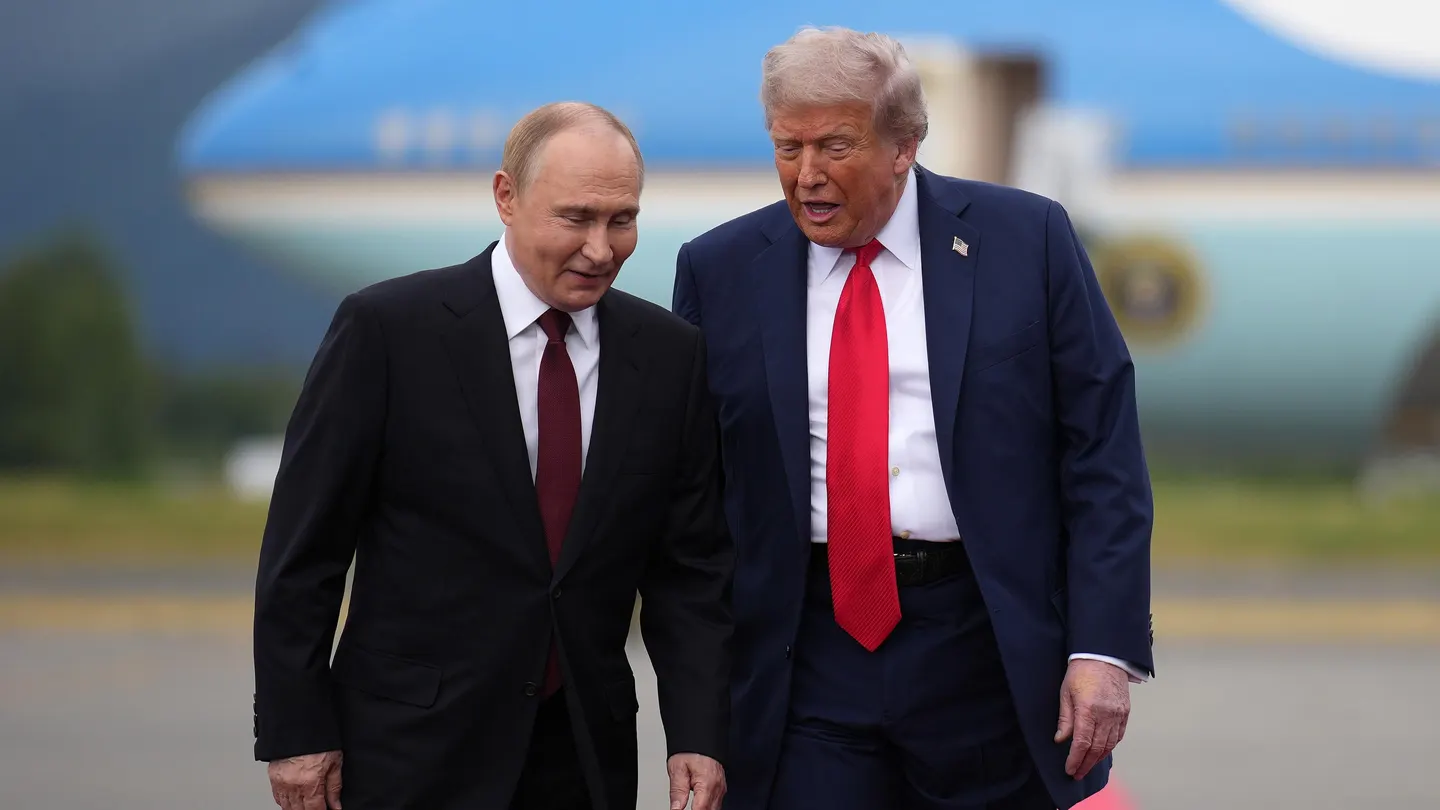
The summit runs on Wednesday and Thursday, October 28–29, 2026. Russian President Vladimir Putin will co-chair it with Burundi's President Évariste Ndayishimiye, the current Chairperson of the African Union.
On the eve of the summit, Moscow will also host the eighth summit of the Gas Exporting Countries Forum (GECF) on Tuesday, October 27, bringing together some of the world's largest gas producers.
Ghana is expected to be represented at the highest level. Ghana's ambassador to Russia said in May that President John Dramani Mahama had confirmed he would attend the summit.
Who is coming
Presidential aide Yuri Ushakov, who heads the summit's organising committee, said 48 of Africa's 54 UN-recognised countries had confirmed participation. Of those, 22 will be represented by their heads of state, while the rest will send prime ministers, ministers or other senior officials.
That is a higher turnout of presidents than at the last summit in St Petersburg in 2023, when 17 heads of state attended.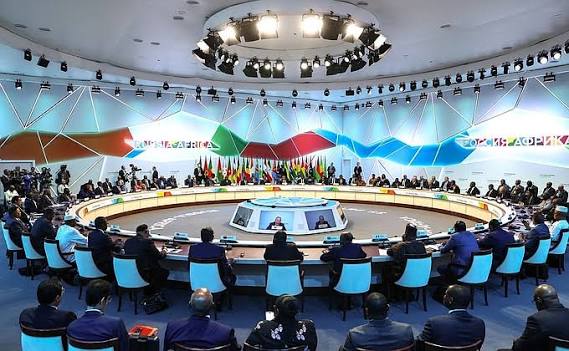
The programme
- October 27: Eighth GECF summit. Putin is expected to speak on the challenges facing the gas industry, including geopolitical ones.
- October 28: Russia-Africa Summit opens. Putin is due to meet Egyptian President Abdel Fattah el-Sisi, then host a Kremlin reception for summit participants in the evening.
- October 29: Summit concludes.
The main summit is being held at the National Centre "Russia" in Moscow. Discussions are expected to focus on deeper political, economic and security cooperation between Russia and African nations, with the Kremlin noting that ties between Africa and the BRICS group are also growing.
The gas summit
The Gas Exporting Countries Forum brings together many of the world's biggest natural gas producers to coordinate on the global gas market. Its summit in Moscow comes at a sensitive time, with energy markets shaken by the war in Ukraine and the conflict with Iran, and with Russian fuel exports at the centre of a dispute between Washington and Kyiv.
A summit with history
This is the third Russia-Africa Summit. The first was held in Sochi in 2019 and the second in St Petersburg in 2023. Each time, Moscow has used the meeting to show it has friends in Africa despite pressure from the West over the war in Ukraine.
Critics have long questioned why the summit has never been held in Africa itself, and whether the promises made at past summits, including Putin's 2019 goal of $40 billion in Russia-Africa trade, have been met.
What it means for Ghana
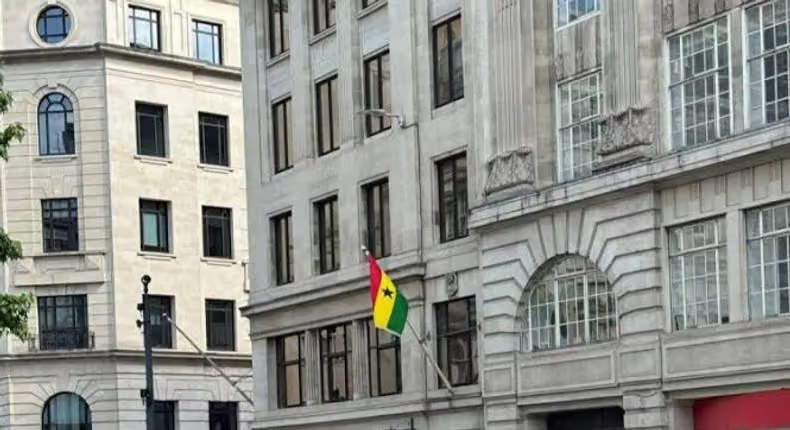
Ghana and Russia have had diplomatic relations since 1958, and the two countries have been moving closer in recent months:
- Mahama's mission: Speaking at the Financial Times Africa Summit in London, President Mahama said he would use his visit to try to persuade President Putin to agree to a ceasefire in Ukraine. He described Ghana's foreign policy as being friends to all and enemies to none.
- Foreign minister's visit: In August, Foreign Affairs Minister Samuel Okudzeto Ablakwa visited Moscow to prepare for Ghana's participation in the summit.
- Visa waiver: Ghana and Russia have signed a visa waiver agreement for holders of diplomatic and service passports.
- Scholarships: Russia has offered 120 government-funded scholarships to Ghanaian students for the 2026/27 academic year.
- Trade priorities: Ghana has listed agribusiness, energy, pharmaceuticals and digital technology among its interests in deepening cooperation.
The summit also comes as Ghana pursues BRICS partner status, a group that includes Russia, and as it balances relations with the United States, Europe, China and Russia.
What to watch
- whether President Mahama attends in person, and what he says on Ukraine
- any trade, energy or agriculture agreements signed between Ghana and Russia
- the summit's final declaration and any new Russia-Africa action plan
- how Western partners react to the turnout of African leaders
Comments (0)
No comments yet.
Only registered readers can comment.
Sign in or create a free account to join the discussion.