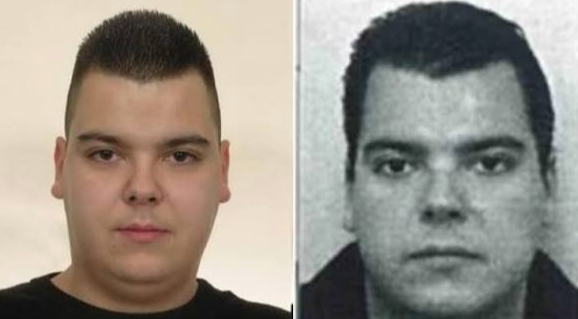

A Dutch fugitive known internationally as Bolle Jos has become the focus of a major transnational drug investigation stretching from West Africa to Europe.
His real name is Joseph Johannes Leijdekkers, a Dutch national who has been placed on the Netherlands’ National Most Wanted List and the European Union’s Most Wanted List.
The latest development has brought his name directly into Ghana’s criminal investigations.
Ghana’s Narcotics Control Commission (NACOC) has arrested three people suspected of representing or facilitating Leijdekkers’ activities in Ghana following the reported seizure in France of a major cocaine shipment allegedly connected to his wider network.
NACOC says the three suspects are in custody and are assisting investigators as authorities work to determine their alleged roles in the trafficking operation.
The Commission has also stressed that the rights and legal protections of everyone under investigation will be respected.
But who exactly is Bolle Jos?
That question has attracted international attention because Leijdekkers is not simply a wanted suspect.
He has already been convicted in absentia in multiple European cases involving large-scale cocaine trafficking and other serious crimes.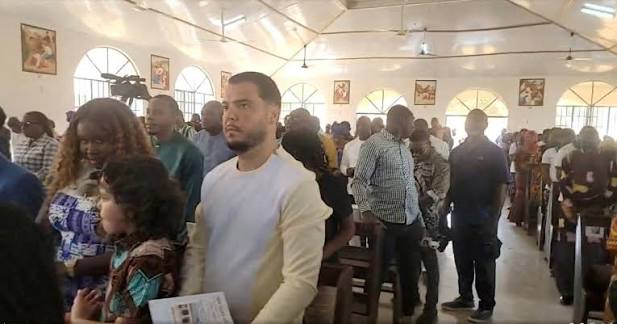
From Dutch Fugitive to International Drug Trafficking Figure
Dutch authorities describe Leijdekkers as a major figure in international cocaine trafficking.
According to the Netherlands Police, a Rotterdam court sentenced him in June 2024 to 24 years in prison following his conviction for six cocaine shipments totalling nearly 7,000 kilograms, an armed robbery in Finland and ordering a murder.
Dutch authorities have also investigated suspected money laundering and other serious violent offences connected to him.
He has remained outside the reach of Dutch authorities.
The Netherlands Police has offered a €200,000 reward for information leading to his arrest.
That makes Leijdekkers one of the most wanted fugitives in the Netherlands.
The Sierra Leone Connection
For years, authorities struggled to establish where Bolle Jos was hiding.
That changed dramatically in January 2025.
Dutch police and prosecutors said they had become certain that Leijdekkers was residing in Sierra Leone, in West Africa.
The revelation triggered international attention after footage emerged appearing to show him attending a New Year’s Day church service in Sierra Leone alongside members of the family of President Julius Maada Bio.
International media subsequently investigated his reported presence and connections in the country.
However, Sierra Leonean authorities have disputed or questioned aspects of the identification and circumstances surrounding his alleged presence.
The Dutch authorities nevertheless confirmed their assessment that Leijdekkers was in Sierra Leone and sought to have him returned to the Netherlands.
Netherlands Tried to Get Him Back
The hunt for Bolle Jos has moved beyond ordinary police investigations.
In May 2026, Dutch media reported that special police and military units had twice come close to carrying out an operation to arrest Leijdekkers in West Africa.
The reports said the proposed operation was eventually abandoned.
The Dutch Public Prosecution Service did not confirm or deny details of the reported operation but said that arresting Leijdekkers remained a top priority.
The development illustrated how seriously Dutch authorities view the fugitive and the criminal network attributed to him.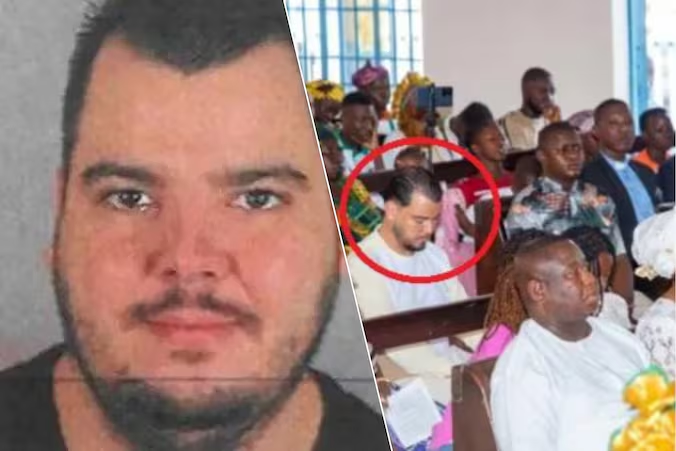
Why Ghana Has Now Entered the Bolle Jos Investigation
The latest Ghana development has significantly expanded the story.
NACOC announced on September 14, 2026, that it had arrested three suspects allegedly connected to Leijdekkers’ activities in Ghana.
The arrests followed a reported cocaine seizure by French customs involving a shipment allegedly connected to a wider international trafficking network.
NACOC officials have indicated that the investigation is continuing and that additional arrests could potentially follow in Ghana or abroad.
The Commission has also said intelligence gathered by Ghanaian authorities suggests that Leijdekkers himself has not entered Ghana, although authorities believe people associated with him may be operating in the country.
That distinction is important.
There is currently no NACOC confirmation that Bolle Jos himself is in Ghana.
Instead, Ghanaian investigators are examining alleged local connections to his wider network.
The €225 Million Cocaine Trail
The Ghana investigation comes amid reports of a major cocaine seizure in France.
The shipment has been valued in reports at approximately €225 million, with investigators examining its alleged connection to a broader trafficking network.
NACOC is working with French authorities to obtain additional information about the shipment and determine how the consignment moved from Ghana towards Europe.
The investigation could potentially reveal:
- Who organised the shipment
- Who financed the operation
- How the cocaine allegedly moved through the supply chain
- Who facilitated its movement from Ghana
- Whether other people in Ghana were involved
- Whether the shipment was connected to Leijdekkers’ wider organisation
For Ghanaian authorities, the case is therefore much bigger than one arrest operation.
It is an investigation into whether an international organised-crime network has been using Ghanaian territory, logistics or individuals to facilitate cocaine trafficking.
A Network Stretching From West Africa to Europe
The Leijdekkers investigation illustrates the increasingly international nature of the cocaine trade.
Dutch authorities have previously linked his network to cocaine entering Europe through major ports including Rotterdam and Antwerp.
More recent international investigations have examined suspected trafficking routes from West Africa towards Europe.
In June 2026, an investigation by the Global Initiative Against Transnational Organized Crime linked Leijdekkers’ network to a number of maritime cocaine shipments, including the Arconian, a vessel intercepted near the Canary Islands carrying more than 30 tonnes of cocaine.
The investigation alleged that the cocaine had been loaded in Sierra Leone before being transported towards Europe. Those findings were reported by Dutch media and remain part of the broader international investigation into the network.
His Criminal Convictions Now Span Several Years
Leijdekkers' legal troubles extend beyond the Dutch 24-year sentence.
He has also been convicted in Belgium in cases involving cocaine trafficking.
A Belgian court sentenced him to prison in 2024, while further Belgian cases have produced additional convictions and sentences.
Dutch authorities have also investigated suspected laundering of large sums of money and other proceeds allegedly connected to cocaine trafficking.
The Netherlands Police previously stated that intercepted Sky-ECC communications provided investigators with insight into his alleged role in international cocaine trafficking and suspected money laundering.
What Makes Bolle Jos So Difficult to Arrest?
Leijdekkers has remained elusive for years despite being one of Europe's most wanted fugitives.
Authorities believe he has operated across multiple jurisdictions and used international connections to remain outside the reach of European law enforcement.
His suspected movement through West Africa has added another layer of complexity because the investigation involves multiple countries, different legal systems and international extradition procedures.
The Dutch government has continued diplomatic efforts to secure his extradition from Sierra Leone, according to reporting from Dutch investigative organisations.
Ghana's Role Could Become Much Bigger
The arrest of three alleged associates could become a significant development in the international investigation.
NACOC says the suspects are helping investigators establish their alleged roles, meaning the full extent of the Ghana connection has not yet been publicly established.
The Commission has also reaffirmed that Ghana should not become a safe haven, transit point or operational base for international drug-trafficking organisations.
Ghana's investigation is therefore being watched beyond the country itself.
If investigators establish that the seized cocaine was connected to a wider Leijdekkers network, the case could expose additional links between Ghana, West Africa and European drug markets.
What Happens Next?
Several key questions remain unanswered:
1. Who are the three suspects arrested in Ghana?
NACOC has not publicly disclosed all details of their identities or alleged roles.
2. Was the French cocaine shipment directly controlled by Bolle Jos?
Authorities have described the connection as part of an ongoing investigation. A direct personal link has not been publicly established by NACOC as a proven fact.
3. Will more people be arrested?
NACOC has indicated that the investigation could result in additional arrests.
4. Is Bolle Jos currently in Sierra Leone?
Dutch authorities have previously established his presence there, but his precise current location has not been publicly confirmed.
5. Will Ghana cooperate further with European investigators?
NACOC has already indicated that it is working with international law-enforcement partners.
The Bigger Story
The Bolle Jos case is no longer simply the story of a Dutch fugitive avoiding arrest.
It has evolved into a broader investigation involving international cocaine trafficking, West African transit routes, European drug markets, financial networks and cross-border law enforcement.
For Ghana, the most immediate issue is not whether Leijdekkers himself is physically in the country.
It is whether individuals or infrastructure within Ghana have allegedly been used to support an international criminal network.
The three arrests announced by NACOC could provide investigators with important information about that question.
And with European authorities continuing to pursue Leijdekkers, the investigation into Bolle Jos and his alleged network is far from over.
A Dutch fugitive known internationally as Bolle Jos has become the focus of a major transnational drug investigation stretching from West Africa to Europe.
His real name is Joseph Johannes Leijdekkers, a Dutch national who has been placed on the Netherlands’ National Most Wanted List and the European Union’s Most Wanted List.
The latest development has brought his name directly into Ghana’s criminal investigations.
Ghana’s Narcotics Control Commission (NACOC) has arrested three people suspected of representing or facilitating Leijdekkers’ activities in Ghana following the reported seizure in France of a major cocaine shipment allegedly connected to his wider network.
NACOC says the three suspects are in custody and are assisting investigators as authorities work to determine their alleged roles in the trafficking operation.
The Commission has also stressed that the rights and legal protections of everyone under investigation will be respected.
But who exactly is Bolle Jos?
That question has attracted international attention because Leijdekkers is not simply a wanted suspect.
He has already been convicted in absentia in multiple European cases involving large-scale cocaine trafficking and other serious crimes.
From Dutch Fugitive to International Drug Trafficking Figure
Dutch authorities describe Leijdekkers as a major figure in international cocaine trafficking.
According to the Netherlands Police, a Rotterdam court sentenced him in June 2024 to 24 years in prison following his conviction for six cocaine shipments totalling nearly 7,000 kilograms, an armed robbery in Finland and ordering a murder.
Dutch authorities have also investigated suspected money laundering and other serious violent offences connected to him.
He has remained outside the reach of Dutch authorities.
The Netherlands Police has offered a €200,000 reward for information leading to his arrest.
That makes Leijdekkers one of the most wanted fugitives in the Netherlands.
The Sierra Leone Connection
For years, authorities struggled to establish where Bolle Jos was hiding.
That changed dramatically in January 2025.
Dutch police and prosecutors said they had become certain that Leijdekkers was residing in Sierra Leone, in West Africa.
The revelation triggered international attention after footage emerged appearing to show him attending a New Year’s Day church service in Sierra Leone alongside members of the family of President Julius Maada Bio.
International media subsequently investigated his reported presence and connections in the country.
However, Sierra Leonean authorities have disputed or questioned aspects of the identification and circumstances surrounding his alleged presence.
The Dutch authorities nevertheless confirmed their assessment that Leijdekkers was in Sierra Leone and sought to have him returned to the Netherlands.
Netherlands Tried to Get Him Back
The hunt for Bolle Jos has moved beyond ordinary police investigations.
In May 2026, Dutch media reported that special police and military units had twice come close to carrying out an operation to arrest Leijdekkers in West Africa.
The reports said the proposed operation was eventually abandoned.
The Dutch Public Prosecution Service did not confirm or deny details of the reported operation but said that arresting Leijdekkers remained a top priority.
The development illustrated how seriously Dutch authorities view the fugitive and the criminal network attributed to him.
Why Ghana Has Now Entered the Bolle Jos Investigation
The latest Ghana development has significantly expanded the story.
NACOC announced on September 14, 2026, that it had arrested three suspects allegedly connected to Leijdekkers’ activities in Ghana.
The arrests followed a reported cocaine seizure by French customs involving a shipment allegedly connected to a wider international trafficking network.
NACOC officials have indicated that the investigation is continuing and that additional arrests could potentially follow in Ghana or abroad.
The Commission has also said intelligence gathered by Ghanaian authorities suggests that Leijdekkers himself has not entered Ghana, although authorities believe people associated with him may be operating in the country.
That distinction is important.
There is currently no NACOC confirmation that Bolle Jos himself is in Ghana.
Instead, Ghanaian investigators are examining alleged local connections to his wider network.
The €225 Million Cocaine Trail
The Ghana investigation comes amid reports of a major cocaine seizure in France.
The shipment has been valued in reports at approximately €225 million, with investigators examining its alleged connection to a broader trafficking network.
NACOC is working with French authorities to obtain additional information about the shipment and determine how the consignment moved from Ghana towards Europe.
The investigation could potentially reveal:
- Who organised the shipment
- Who financed the operation
- How the cocaine allegedly moved through the supply chain
- Who facilitated its movement from Ghana
- Whether other people in Ghana were involved
- Whether the shipment was connected to Leijdekkers’ wider organisation
For Ghanaian authorities, the case is therefore much bigger than one arrest operation.
It is an investigation into whether an international organised-crime network has been using Ghanaian territory, logistics or individuals to facilitate cocaine trafficking.
A Network Stretching From West Africa to Europe
The Leijdekkers investigation illustrates the increasingly international nature of the cocaine trade.
Dutch authorities have previously linked his network to cocaine entering Europe through major ports including Rotterdam and Antwerp.
More recent international investigations have examined suspected trafficking routes from West Africa towards Europe.
In June 2026, an investigation by the Global Initiative Against Transnational Organized Crime linked Leijdekkers’ network to a number of maritime cocaine shipments, including the Arconian, a vessel intercepted near the Canary Islands carrying more than 30 tonnes of cocaine.
The investigation alleged that the cocaine had been loaded in Sierra Leone before being transported towards Europe. Those findings were reported by Dutch media and remain part of the broader international investigation into the network.
His Criminal Convictions Now Span Several Years
Leijdekkers' legal troubles extend beyond the Dutch 24-year sentence.
He has also been convicted in Belgium in cases involving cocaine trafficking.
A Belgian court sentenced him to prison in 2024, while further Belgian cases have produced additional convictions and sentences.
Dutch authorities have also investigated suspected laundering of large sums of money and other proceeds allegedly connected to cocaine trafficking.
The Netherlands Police previously stated that intercepted Sky-ECC communications provided investigators with insight into his alleged role in international cocaine trafficking and suspected money laundering.
What Makes Bolle Jos So Difficult to Arrest?
Leijdekkers has remained elusive for years despite being one of Europe's most wanted fugitives.
Authorities believe he has operated across multiple jurisdictions and used international connections to remain outside the reach of European law enforcement.
His suspected movement through West Africa has added another layer of complexity because the investigation involves multiple countries, different legal systems and international extradition procedures.
The Dutch government has continued diplomatic efforts to secure his extradition from Sierra Leone, according to reporting from Dutch investigative organisations.
Ghana's Role Could Become Much Bigger
The arrest of three alleged associates could become a significant development in the international investigation.
NACOC says the suspects are helping investigators establish their alleged roles, meaning the full extent of the Ghana connection has not yet been publicly established.
The Commission has also reaffirmed that Ghana should not become a safe haven, transit point or operational base for international drug-trafficking organisations.
Ghana's investigation is therefore being watched beyond the country itself.
If investigators establish that the seized cocaine was connected to a wider Leijdekkers network, the case could expose additional links between Ghana, West Africa and European drug markets.
What Happens Next?
Several key questions remain unanswered:
1. Who are the three suspects arrested in Ghana?
NACOC has not publicly disclosed all details of their identities or alleged roles.
2. Was the French cocaine shipment directly controlled by Bolle Jos?
Authorities have described the connection as part of an ongoing investigation. A direct personal link has not been publicly established by NACOC as a proven fact.
3. Will more people be arrested?
NACOC has indicated that the investigation could result in additional arrests.
4. Is Bolle Jos currently in Sierra Leone?
Dutch authorities have previously established his presence there, but his precise current location has not been publicly confirmed.
5. Will Ghana cooperate further with European investigators?
NACOC has already indicated that it is working with international law-enforcement partners.
The Bigger Story
The Bolle Jos case is no longer simply the story of a Dutch fugitive avoiding arrest.
It has evolved into a broader investigation involving international cocaine trafficking, West African transit routes, European drug markets, financial networks and cross-border law enforcement.
For Ghana, the most immediate issue is not whether Leijdekkers himself is physically in the country.
It is whether individuals or infrastructure within Ghana have allegedly been used to support an international criminal network.
The three arrests announced by NACOC could provide investigators with important information about that question.
And with European authorities continuing to pursue Leijdekkers, the investigation into Bolle Jos and his alleged network is far from over.


Comments (0)
No comments yet.
Only registered users can comment.
Sign in or create a free account to join the discussion.