






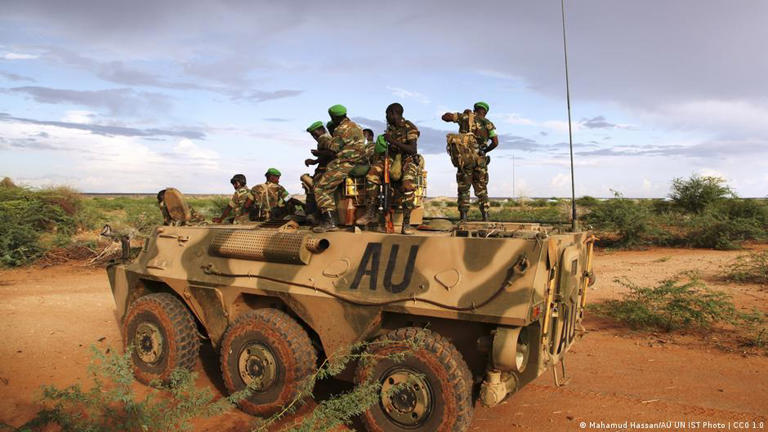
The deepening relationship between Egypt and Somalia has taken a major military and strategic turn, following the deployment of Egyptian troops to Mogadishu as part of the African Union Support and Stabilization Mission in Somalia (AUSSOM).
For the first time in the history of bilateral relations between the two countries, Egypt has sent uniformed troops to Somalia, marking a significant shift from previous cooperation that had been limited to military equipment and security assistance.
The move follows renewed diplomatic engagement between Cairo and Mogadishu. Earlier this week, Egyptian President Abdel Fattah el-Sissi reaffirmed Egypt’s support for Somalia’s unity and territorial integrity during talks with Somali President Hassan Sheikh Mohamud in Cairo. Days later, Egypt deployed 1,091 troops to Somalia’s capital in line with a security agreement reached in January 2025.
The Egyptian contingent has joined AUSSOM, the African Union–led mission tasked with training and supporting Somalia’s security forces as the country continues its long struggle to restore state authority after decades of conflict, clan divisions, and persistent attacks by the extremist group al-Shabab.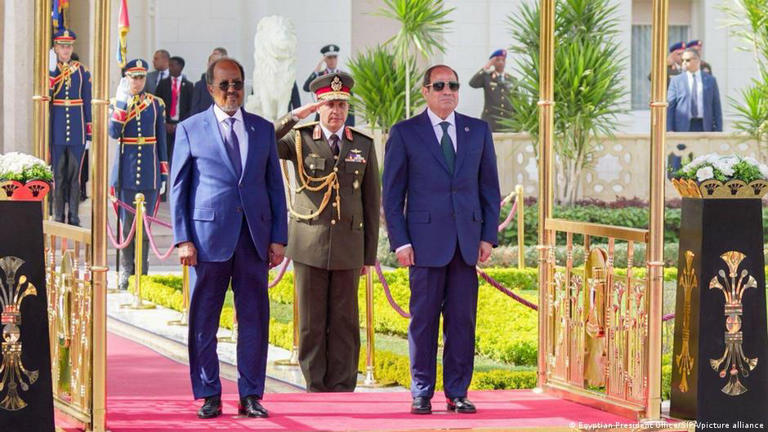
Strategic calculations behind the deployment
Analysts say Egypt’s growing presence in Somalia is driven largely by regional geopolitics rather than purely security cooperation.
Somalia occupies a critical geopolitical location, sitting along the Indian Ocean and providing access to the Red Sea through the Gulf of Aden — a key global shipping corridor linking to the Suez Canal. This positioning gives Mogadishu strategic importance in the wider Red Sea and Horn of Africa power balance.
Egypt is increasingly focused on preventing rival powers from gaining influence along the Red Sea corridor, particularly in fragile states that could become platforms for external military or political expansion. The deployment to Somalia is widely seen as part of Cairo’s broader effort to secure influence in the Horn of Africa and protect its strategic maritime and trade interests.
Shared concerns over Ethiopia’s regional ambitions
Both Egypt and Somalia are also linked by growing concern over Ethiopia’s regional expansion efforts. Tensions escalated after Ethiopia signed an agreement in 2024 with Somaliland — a breakaway region of Somalia — seeking access to the Red Sea in exchange for political recognition, a move strongly opposed by Somalia and widely condemned in the region.
Although the agreement was later revised, fears remain about Ethiopia’s long-term ambitions to secure maritime access and military presence along strategic waterways.
Further complicating the regional landscape, Israel’s formal recognition of Somaliland in December 2025 intensified geopolitical tensions, triggering diplomatic backlash from Somalia, Egypt, and several other states, and adding new layers of rivalry in the Horn of Africa.
For Egypt, these developments are viewed as direct threats to regional balance and national security, reinforcing its interest in strengthening alliances with states like Somalia.
Water security and the Nile factor
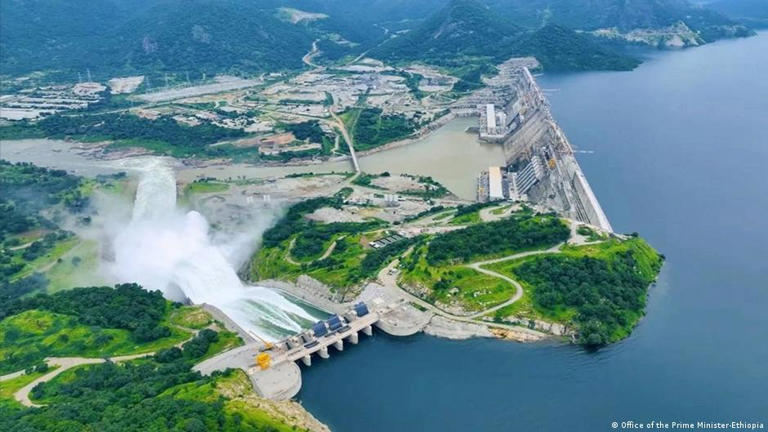
Another major driver of Egypt’s foreign policy posture in the region remains water security. Egypt continues to face long-standing tensions with Ethiopia over the Grand Ethiopian Renaissance Dam (GERD), which was inaugurated in 2025.
As a downstream Nile country, Egypt sees guaranteed water access as a core national security issue. While Somalia is not directly involved in the Nile dispute, Egypt’s broader rivalry with Ethiopia has pushed Cairo to build strategic partnerships across the Horn of Africa as a counterbalance to Addis Ababa’s influence.
Somalia’s priorities: security and state authority
For Somalia, the Egyptian troop deployment is less about regional geopolitics and more about internal stability and international legitimacy.
Mogadishu’s primary objective remains consolidating control over national territory, strengthening the federal government’s authority, and securing sustained international backing in the fight against al-Shabab.
By hosting Egyptian forces within the AU mission framework, Somalia gains additional international support, diplomatic legitimacy, and security reinforcement at a time when the country continues to battle insurgency and state fragility.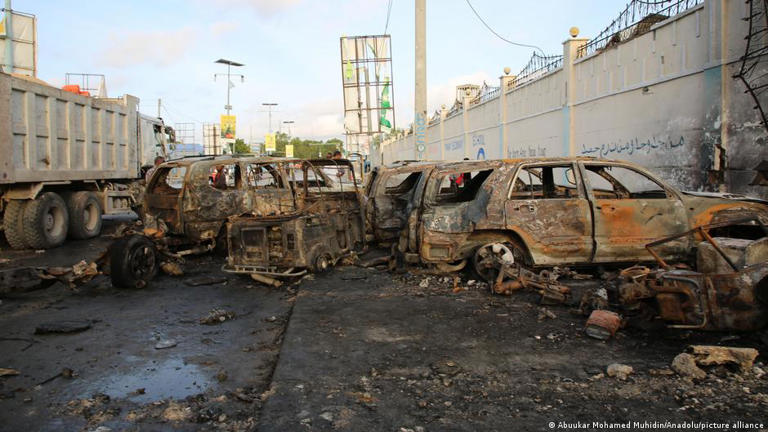
A partnership shaped by shared fears and different goals
While Egypt and Somalia approach the partnership from different strategic angles — Cairo focused on Red Sea access, regional influence, and countering Ethiopian expansion, and Mogadishu focused on security, stability, and sovereignty — their interests intersect in ways that make cooperation mutually beneficial.
As Egypt expands its footprint in the Horn of Africa and Somalia strengthens its international alliances, the deployment signals not just military cooperation, but a broader realignment of power, influence, and security priorities across the region.
— GhanaNews 24




Comments (0)
No comments yet.
Only registered users can comment.
Sign in or create a free account to join the discussion.