






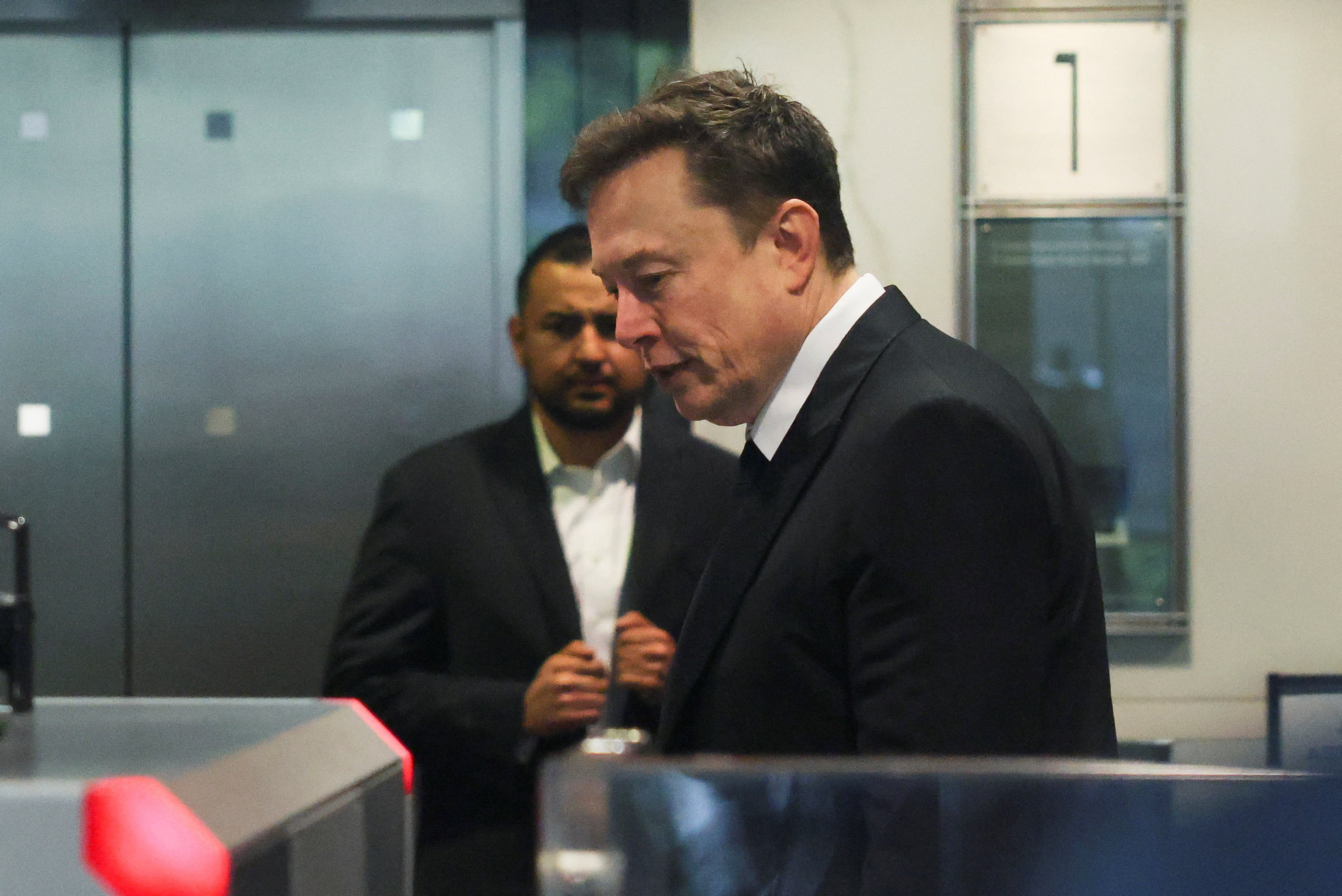
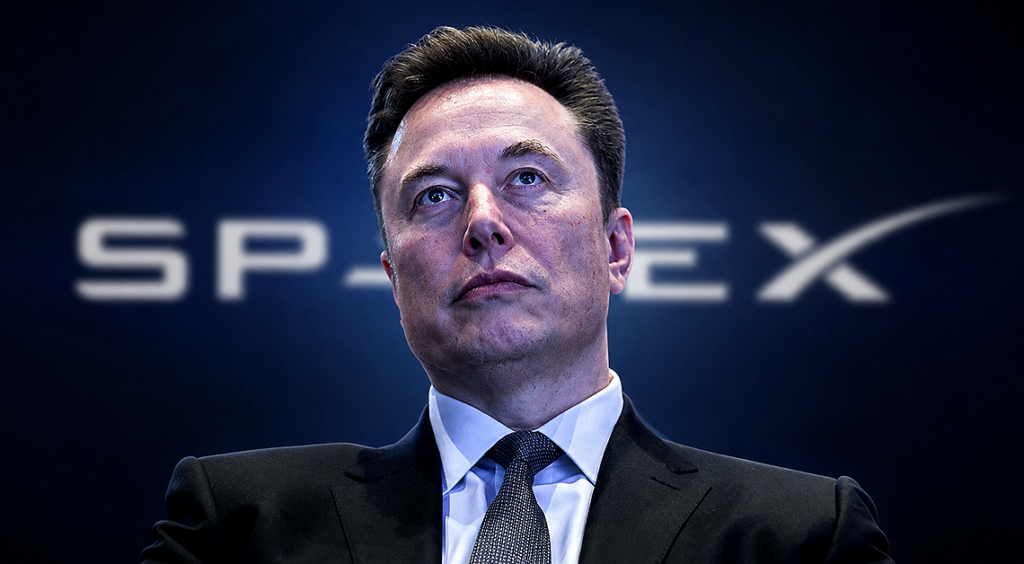
Tech billionaire Elon Musk has taken the stand in a major U.S. court case, accusing OpenAI of drifting away from its founding mission to develop artificial intelligence for the benefit of humanity.
The case has drawn global attention as it raises fundamental questions about the future of AI, corporate control, and public trust in emerging technologies.
Musk’s Core Argument in Court
During testimony, Musk argued that OpenAI was originally intended to operate as a nonprofit organisation — similar to a public-interest entity focused on safe and accessible AI.
He told the court that:
-
OpenAI’s leadership shifted focus toward profit-driven goals
-
This shift could undermine trust in artificial intelligence systems
-
The original mission of benefiting humanity has been diluted
Musk is seeking approximately $150 billion in damages, which he says should be directed toward OpenAI’s charitable arm.
Who Musk Is Challenging
Musk’s claims are directed at OpenAI’s current leadership, including:
-
Sam Altman
-
Greg Brockman
He alleges that decisions made under their leadership shifted the organisation away from its original principles.
OpenAI’s Response
Lawyers representing OpenAI have strongly rejected Musk’s claims.
According to their argument:
-
Musk himself previously supported a more commercial approach
-
His legal action followed disagreements over control of the company
-
The current structure is necessary to fund advanced AI development
OpenAI maintains that large-scale funding is essential to compete globally and build safe, powerful AI systems.
Why This Case Matters Globally
The lawsuit highlights a growing debate in the tech industry:
-
Should AI development be profit-driven or public-interest focused?
-
How can trust and safety be maintained in rapid innovation?
Experts say the outcome could influence how future AI companies are structured worldwide.
The Bigger AI Power Struggle
The dispute reflects broader tensions between:
-
Big Tech investment models
-
Ethical AI development principles
-
Government and regulatory oversight
As artificial intelligence becomes central to economies and security, control over its development is increasingly strategic.
What Happens Next
The case is expected to continue drawing global attention as it unfolds.
-
Court rulings on OpenAI’s structure
-
Implications for AI governance
-
Potential impact on investors and tech companies
Quick Answers
Why is Elon Musk suing OpenAI?
He claims the company abandoned its nonprofit mission and became profit-focused.
How much is Musk seeking?
About $150 billion in damages.
What does OpenAI say?
The company denies the claims and says its structure is necessary for funding AI development.
Why is this important?
It could shape the future of AI governance and corporate control.



Comments (0)
No comments yet.
Only registered users can comment.
Sign in or create a free account to join the discussion.