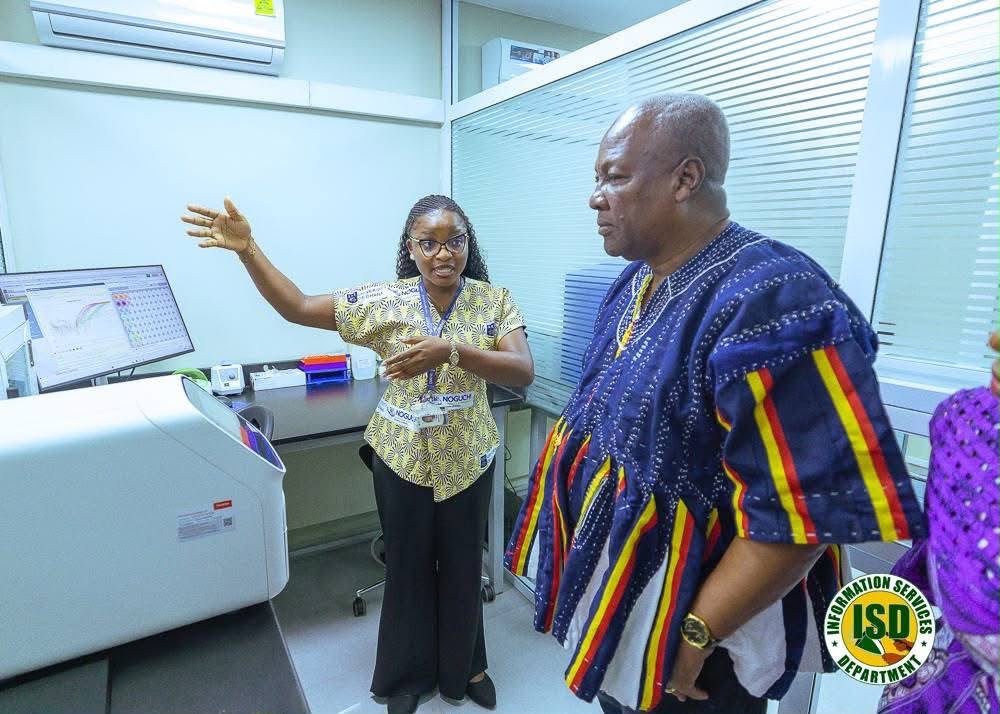
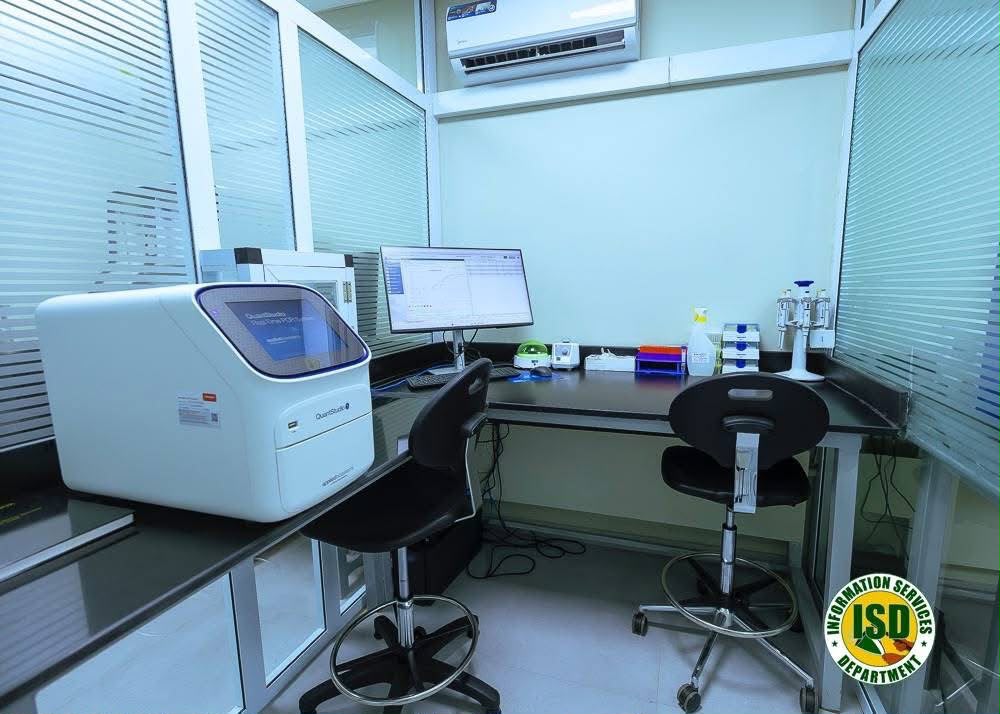
President John Dramani Mahama has commissioned a National Human Identification Laboratory at the Noguchi Memorial Institute for Medical Research (NMIMR), giving Ghana the capacity to conduct specialised human DNA testing and forensic analysis locally instead of routinely sending critical samples abroad.
The facility was commissioned on Wednesday, November 18, 2026, at the University of Ghana in Legon. It is expected to strengthen Ghana's ability to identify victims of disasters, support criminal investigations and resolve disputes involving biological relationships, including paternity and maternity cases.
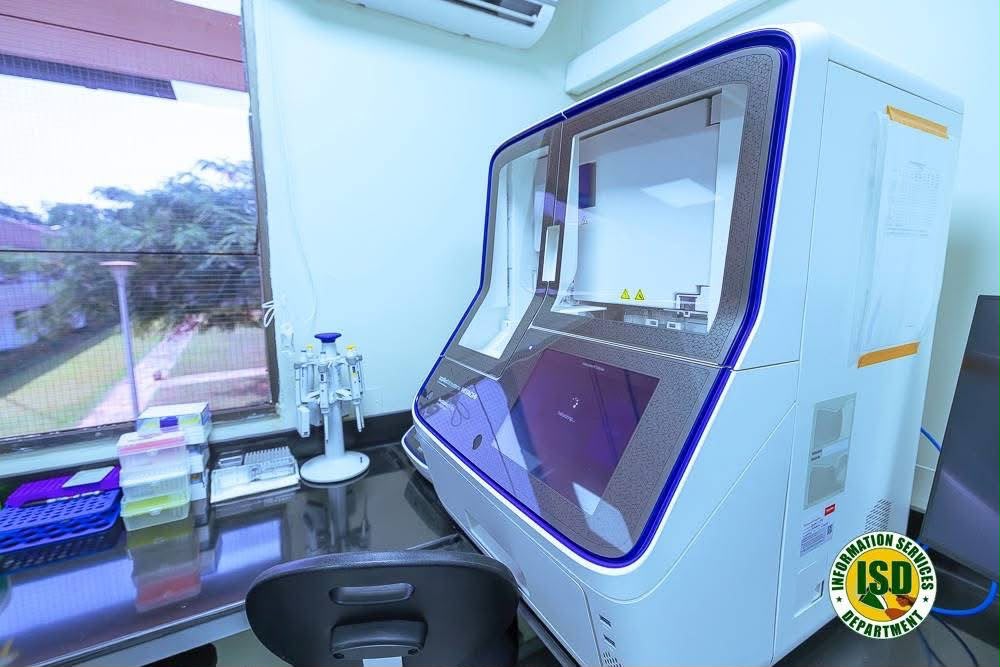
The development marks an important step towards strengthening the country's scientific infrastructure and improving access to forensic services.
August 2025 Helicopter Crash Exposed Ghana's DNA Testing Gap
The establishment of the laboratory follows the August 6, 2025 military helicopter crash, which claimed the lives of eight Ghanaians.
Following the tragedy, tissue samples recovered from the crash site had to be transported to South Africa for DNA analysis to establish the identities of the victims. Families were consequently forced to wait several days for the results.
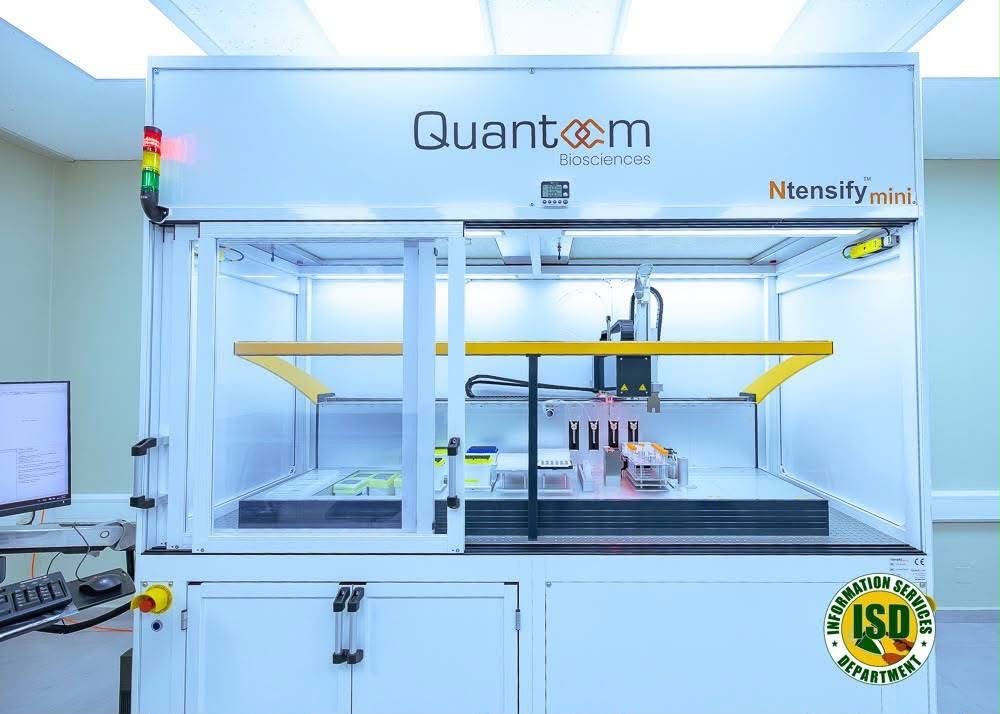
At the commissioning ceremony, President Mahama described Ghana's inability to conduct the analysis locally as a national embarrassment, saying the new facility would end that dependence for the specialised testing it is equipped to perform.
He stressed the importance of ensuring that families affected by disasters receive accurate information and timely identification results.
DNA Laboratory to Support Criminal Investigations and Paternity Testing
The National Human Identification Laboratory is expected to serve as an important resource for Ghana's security agencies, the justice system and families seeking scientific confirmation of biological relationships.
Its anticipated areas of application include:
Criminal investigations: DNA evidence to support investigations into cases such as rape, murder and other serious offences.
Paternity and maternity disputes: Scientific testing to establish biological relationships between parents and children.
Disaster victim identification: Identification of human remains following accidents, emergencies and major disasters.
Inheritance disputes: DNA analysis to help resolve questions of biological relationships in family and inheritance matters.
Human identification: Scientific verification of identity where biological evidence is required.
The availability of these services within Ghana is expected to reduce delays associated with sending samples to overseas laboratories and improve access to specialised DNA analysis.
Government Funds New Scientific Facilities
The DNA laboratory was commissioned alongside two additional research facilities: an mRNA Expression Laboratory and a Protein Expression Laboratory, both intended to strengthen Ghana's vaccine research and development capabilities.
The National Vaccine Institute said the Government of Ghana fully funded the procurement of equipment, installation of the laboratory infrastructure and training of scientists for the new facilities.
The investment forms part of a broader effort to develop local scientific expertise, improve health security and reduce dependence on foreign institutions for specialised research and technology.
The National Human Identification Laboratory was established through collaboration involving the Ministry of Health, the National Vaccine Institute and the Noguchi Memorial Institute for Medical Research.
A New Chapter for Ghana's Forensic Science
The commissioning is expected to strengthen the role of local scientists in forensic investigations and provide security agencies with greater access to specialised scientific evidence.
For families, the ability to undertake DNA testing locally could make it easier to obtain answers in cases involving disputed parentage, missing relatives, disaster-related deaths and inheritance questions.
The facility could also contribute to addressing concerns about paternity fraud and mistaken assumptions about biological parentage. However, its effectiveness will depend on reliable testing procedures, proper consent, confidentiality and responsible handling of results.
With the new laboratory in place, Ghana has taken a significant step towards building greater independence in human identification and forensic DNA analysis.







Comments (0)
No comments yet.
Only registered readers can comment.
Sign in or create a free account to join the discussion.