International News
Nigerian LNG Cargo Diverted to Asia as Gas Prices Surge
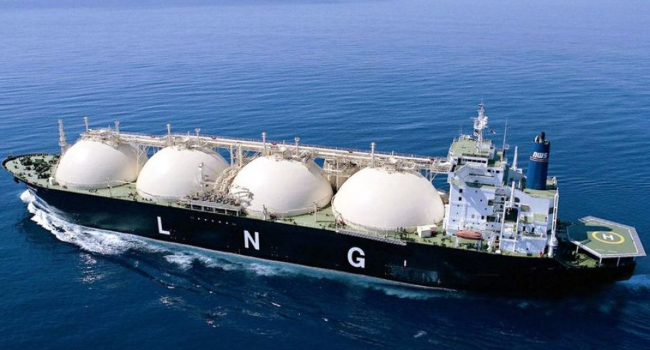
A cargo of liquefied natural gas (LNG) from Nigeria has been diverted from Europe to Asia after a sharp rise in Asian gas prices created a profitable trading opportunity for suppliers. Shipping data shows the LNG tanker BW Brussels changed its destination shortly after loading gas at the Bonny Island LNG Terminal, one of Africa’s largest LNG export hubs. Energy analysts say the diversion highlights growing volatility in global gas markets as geopolitical tensions and supply disruptions reshape trade flows. Why the LNG Cargo Was Rerouted The redirection was driven by a widening price gap between Asian LNG markets and Europe’s main benchmark. Asia’s LNG spot prices surged amid rising demand and supply uncertainty, making deliveries to the region significantly more profitable than shipments to Europe. Meanwhile, Europe’s benchmark Title Transfer Facility has seen comparatively lower price growth, reducing incentives for suppliers to send cargoes there. Traders often redirect shipments mid-voyage when price differences between regions create opportunities for higher margins. Geopolitical Tensions Tighten Supply The market shift comes at a time when global gas supplies are under pressure. Recent tensions involving the United States and Iran have raised concerns about stability in energy shipping routes. At the same time, production challenges in Qatar — one of the world’s largest LNG producers — have further tightened global supply. Energy markets are particularly sensitive to disruptions in the Middle East because of the region’s dominant role in global gas exports. Potential for More LNG Diversions Analysts say the current market conditions could lead to additional cargo diversions in the coming weeks. When Asian LNG prices significantly exceed European benchmarks, exporters often prioritize Asian buyers to maximize returns. This trading pattern has become increasingly common since the global energy market disruptions triggered by the Russia–Ukraine War, which reshaped natural gas supply routes and increased Europe’s reliance on imported LNG. Implications for Global Energy Markets If LNG shipments continue to shift toward Asia, European gas markets could face tighter supply conditions heading into the next seasonal demand cycle. Higher LNG prices also have broader economic implications, potentially influencing electricity costs and industrial production in energy-importing countries. For energy-exporting nations such as Nigeria, price surges in Asia may create short-term revenue opportunities as global demand for LNG remains strong.
Published 4 months ago on March 9, 2026
A cargo of liquefied natural gas (LNG) from Nigeria has been diverted from Europe to Asia after a sharp rise in Asian gas prices created a profitable trading opportunity for suppliers.
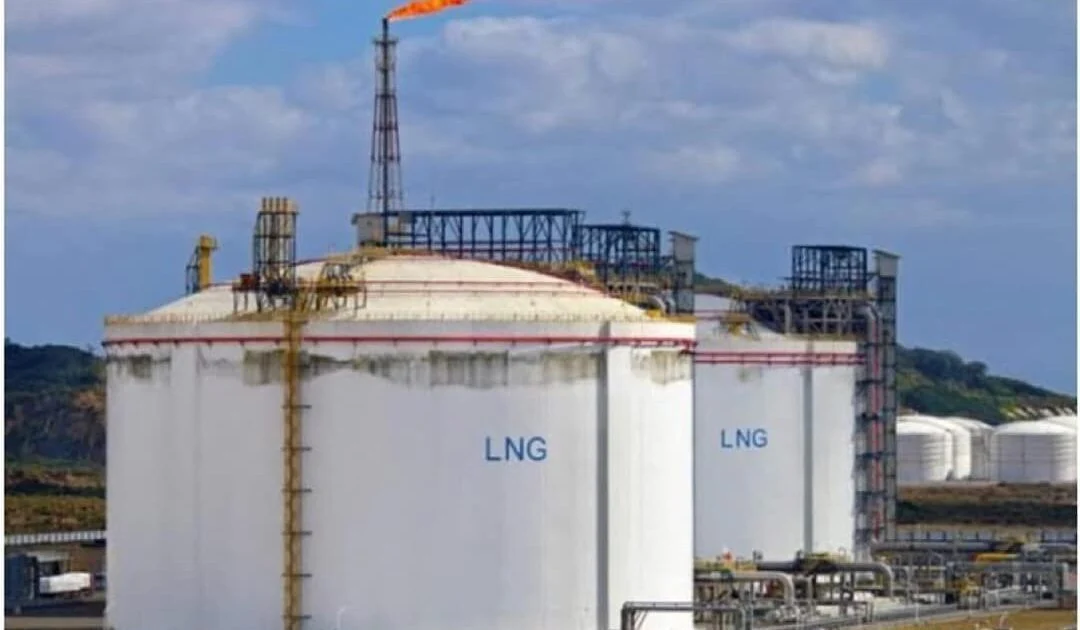
Shipping data shows the LNG tanker BW Brussels changed its destination shortly after loading gas at the Bonny Island LNG Terminal, one of Africa’s largest LNG export hubs.
Energy analysts say the diversion highlights growing volatility in global gas markets as geopolitical tensions and supply disruptions reshape trade flows.
Why the LNG Cargo Was Rerouted
The redirection was driven by a widening price gap between Asian LNG markets and Europe’s main benchmark.
Asia’s LNG spot prices surged amid rising demand and supply uncertainty, making deliveries to the region significantly more profitable than shipments to Europe.
Meanwhile, Europe’s benchmark Title Transfer Facility has seen comparatively lower price growth, reducing incentives for suppliers to send cargoes there.
Traders often redirect shipments mid-voyage when price differences between regions create opportunities for higher margins.
Geopolitical Tensions Tighten Supply
The market shift comes at a time when global gas supplies are under pressure.
Recent tensions involving the United States and Iran have raised concerns about stability in energy shipping routes.
At the same time, production challenges in Qatar — one of the world’s largest LNG producers — have further tightened global supply.
Energy markets are particularly sensitive to disruptions in the Middle East because of the region’s dominant role in global gas exports.
Potential for More LNG Diversions
Analysts say the current market conditions could lead to additional cargo diversions in the coming weeks.
When Asian LNG prices significantly exceed European benchmarks, exporters often prioritize Asian buyers to maximize returns.
This trading pattern has become increasingly common since the global energy market disruptions triggered by the Russia–Ukraine War, which reshaped natural gas supply routes and increased Europe’s reliance on imported LNG.
If LNG shipments continue to shift toward Asia, European gas markets could face tighter supply conditions heading into the next seasonal demand cycle.
Higher LNG prices also have broader economic implications, potentially influencing electricity costs and industrial production in energy-importing countries.
For energy-exporting nations such as Nigeria, price surges in Asia may create short-term revenue opportunities as global demand for LNG remains strong.