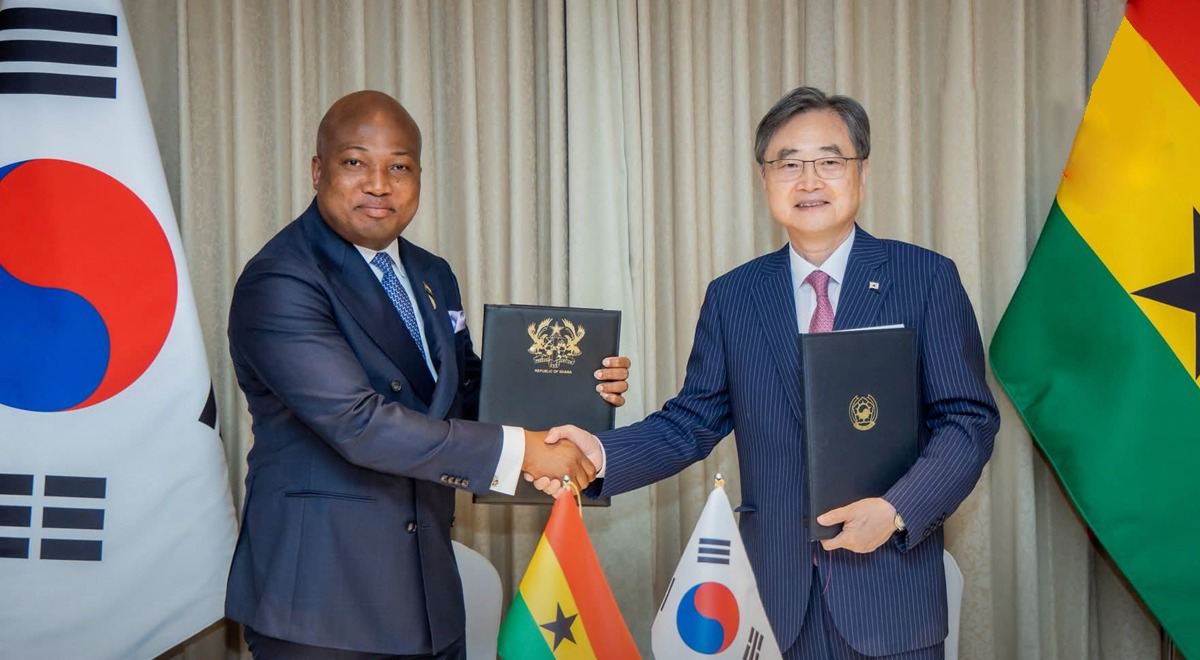
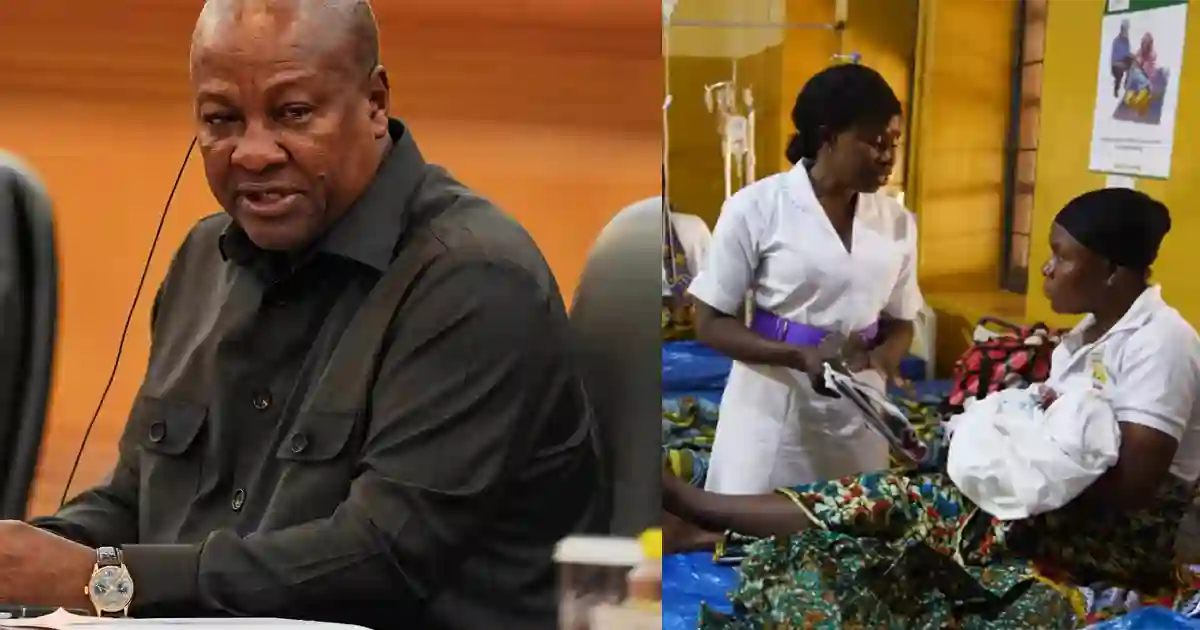


Accra, Ghana — Ghanaian officials have disclosed that the government is rejecting a proposed US$300 million health agreement with the United States, citing concerns over funding obligations, sustainability, and national control of healthcare systems.
According to officials who spoke to **Deutsche Welle> (DW), the proposed arrangement formed part of Washington’s broader “America First” foreign policy approach and would have significantly shifted financial responsibility for critical health programmes onto Ghana.
Why Ghana Is Rejecting the Deal
Sources familiar with the discussions say the agreement would have required the Ghanaian government to assume direct responsibility for:
-
Health commodity procurement
-
Service delivery systems
-
Operational structures previously managed by US-funded NGOs
-
Long-term programme financing
Officials reportedly viewed the proposal as placing excessive financial pressure on Ghana’s public health sector at a time of ongoing economic recovery efforts.
The deal is also said to have included a transition plan where Ghana would absorb systems and programmes historically funded and operated through American-backed health agencies and contractors.
Concerns Over Health System Sustainability
Health policy analysts warn that transferring large-scale externally funded healthcare operations directly to the state without adequate transition support could strain already pressured public institutions.
Programmes potentially affected reportedly include areas linked to:
-
Disease prevention
-
Public health logistics
-
Medical supply chains
-
Community healthcare support systems
Government insiders indicate Ghana prefers partnerships that allow gradual transition frameworks instead of abrupt funding transfers.
US “America First” Strategy and Aid Reforms
The reported proposal aligns with broader shifts in US foreign assistance policy aimed at reducing long-term overseas dependency on American funding.
Under recent reforms, Washington has increasingly encouraged partner countries to:
-
Finance more of their own public programmes
-
Reduce reliance on donor-backed structures
-
Localise administration of aid systems
Critics, however, argue that sudden restructuring risks weakening healthcare delivery in developing economies if domestic fiscal capacity is limited.
What This Means for Ghana’s Health Sector
The rejection of the proposed agreement may trigger broader conversations around:
-
Healthcare financing in Ghana
-
Donor dependency
-
Public sector reform
-
National policy sovereignty
-
Long-term sustainability of externally funded programmes
Economic analysts say Ghana’s decision also reflects a growing trend among African nations seeking greater control over strategic sectors while balancing international partnerships carefully.
Wider African Context
Several African countries are currently reassessing aid structures and development partnerships amid changing global geopolitical and economic conditions.
The debate increasingly centres on:
-
Ownership of development systems
-
Long-term economic resilience
Ghana’s position may therefore resonate across the continent as governments evaluate how foreign-funded programmes integrate with domestic priorities.
Key Questions & Answers
Why is Ghana rejecting the US health deal?
Officials say the agreement would transfer major healthcare funding and operational responsibilities onto Ghana.
How much was the proposed deal worth?
The proposed agreement was reportedly valued at US$300 million.
What was the concern?
Authorities feared the arrangement could create unsustainable financial and operational burdens for Ghana’s healthcare system.
Which media outlet reported the development?
The disclosure was made to Deutsche Welle (DW).